
J&S Vacaville Insulation ServicesJ&S Vacaville Insulation Services(707) 452-3285

Insulation contractor in Woodland, CA - attics sealed first, then insulated

J&S Vacaville Insulation Services is an insulation contractor working in Woodland, CA. We seal the gaps in attics, crawl spaces and walls, then add or replace insulation so drafty, hot rooms stay comfortable.

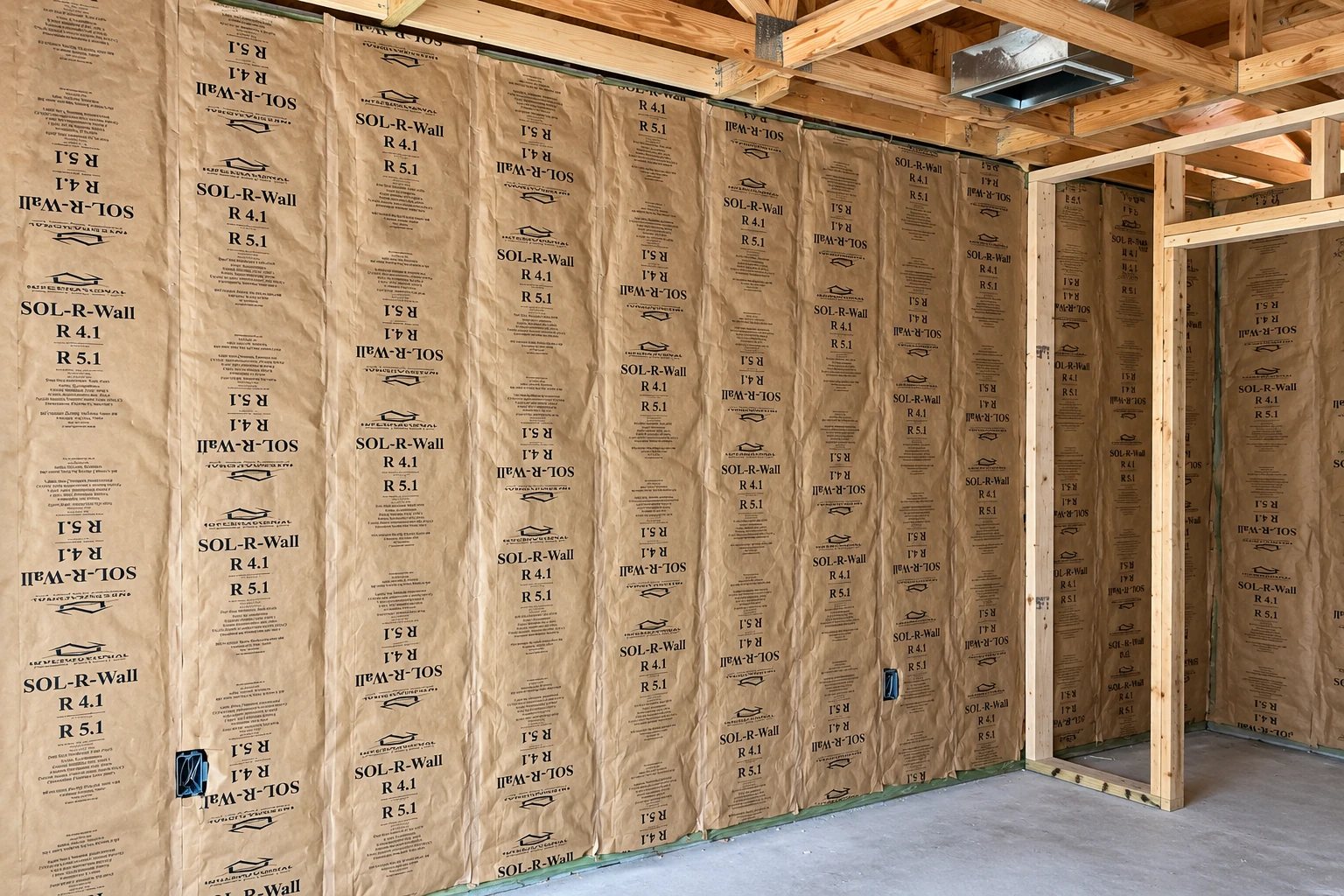
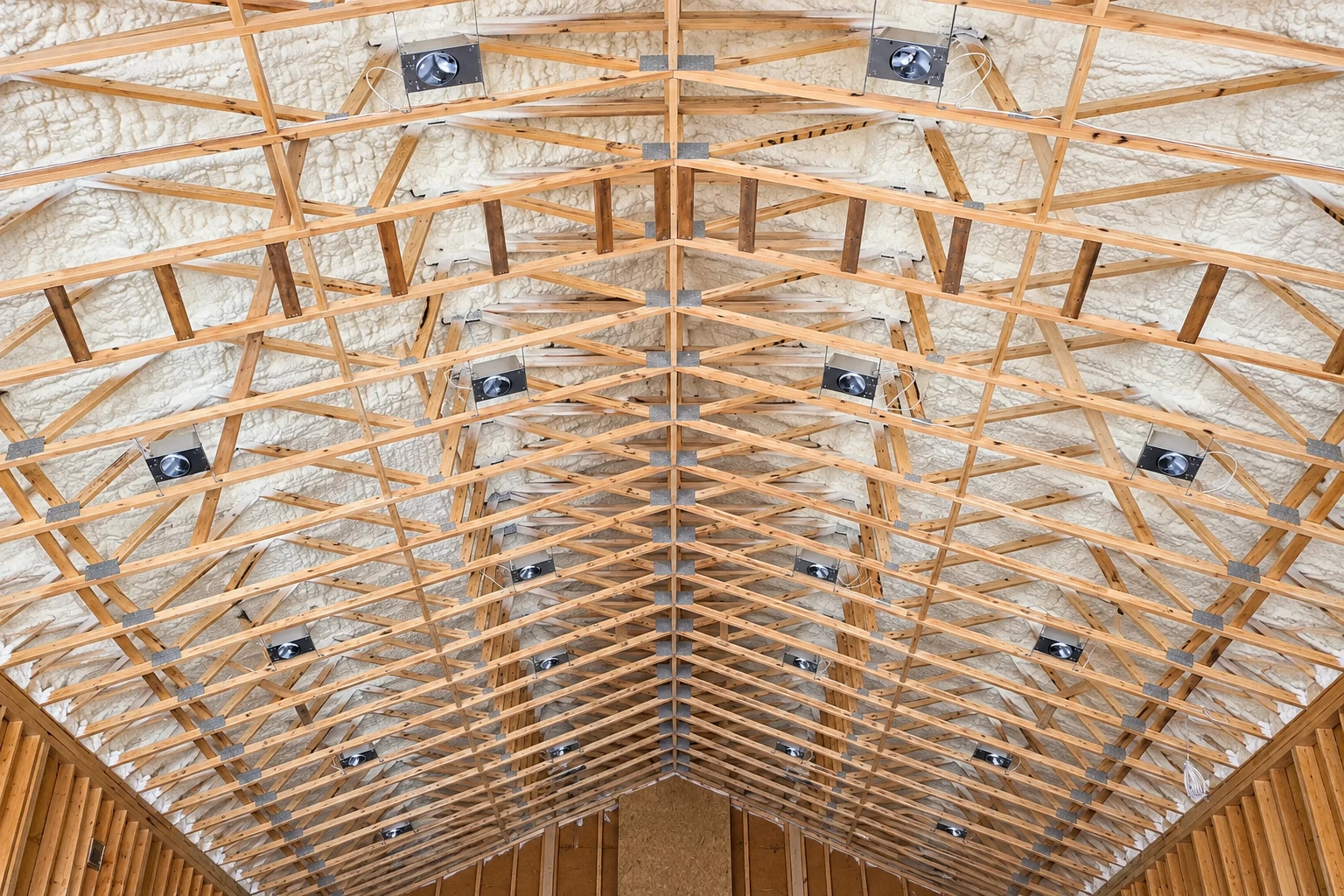
Commercial wall insulation fills the wooden framing in a large unfinished space, with printed kraft-paper facing and exposed ceiling beams.

How we approach Woodland's older and newer homes

Woodland is a short trip from our base in Vacaville, and we work here the same way we do in Davis and Dixon. The houses run from older homes around downtown to ranch houses and newer subdivisions farther out. The problems are the ones you'd expect in the valley: a hot upstairs, a drafty room, floors that stay cold all winter.

The age of the house decides most of the job. An older place usually needs more sealing before any insulation does much good, and a newer one more often just needs its thin original layer topped up.

Insulation services we offer Woodland homeowners

We bring our full range of insulation work to Woodland, from attics and crawl spaces to walls and commercial buildings. Every job starts the same way. I look at the house in person and find where the heat or the draft is actually getting through. Then we plan the work in order, sealing gaps before adding insulation and pulling out bad material before anything new goes in. Below is what each service is for and when it tends to come up on houses here.

  • Spray foam insulation

    When ductwork runs through a hot attic, loose fill on the attic floor still leaves those ducts sitting in the heat. In that case we spray foam at the roofline, and if it isn't worth the extra cost, we'll tell you plainly.

    Explore service
  • Attic insulation

    A hot upstairs or a high power bill usually starts in the attic. We check what's up there, seal the gaps, and bring the coverage up evenly, edges included.

    Explore service
  • Blown-in insulation

    Plenty of homes here have old loose fill that has settled down to a few inches. We seal first, then add blown-in insulation, loose fill blown through a hose, to an even depth.

    Explore service
  • Home insulation

    If several rooms feel off, we look at the attic, walls and floors together before suggesting anything. Then we start with the fix that matters most and tell you what can wait.

    Explore service
  • Insulation removal

    Insulation that's been soaked or filled with rodent droppings stops working, and covering it keeps the problem in your attic. We bag it out and clean up before new material goes in.

    Explore service
  • Crawl space insulation

    Cold floors in winter usually mean an open crawl space with little or nothing between the floor joists. We fit insulation up against the subfloor and fasten it so it stays put.

    Explore service
  • Wall insulation

    Older houses often have empty wall cavities, which is why some rooms never warm up. We fill them through small openings and patch the holes when we're done.

    Explore service
  • Air sealing services

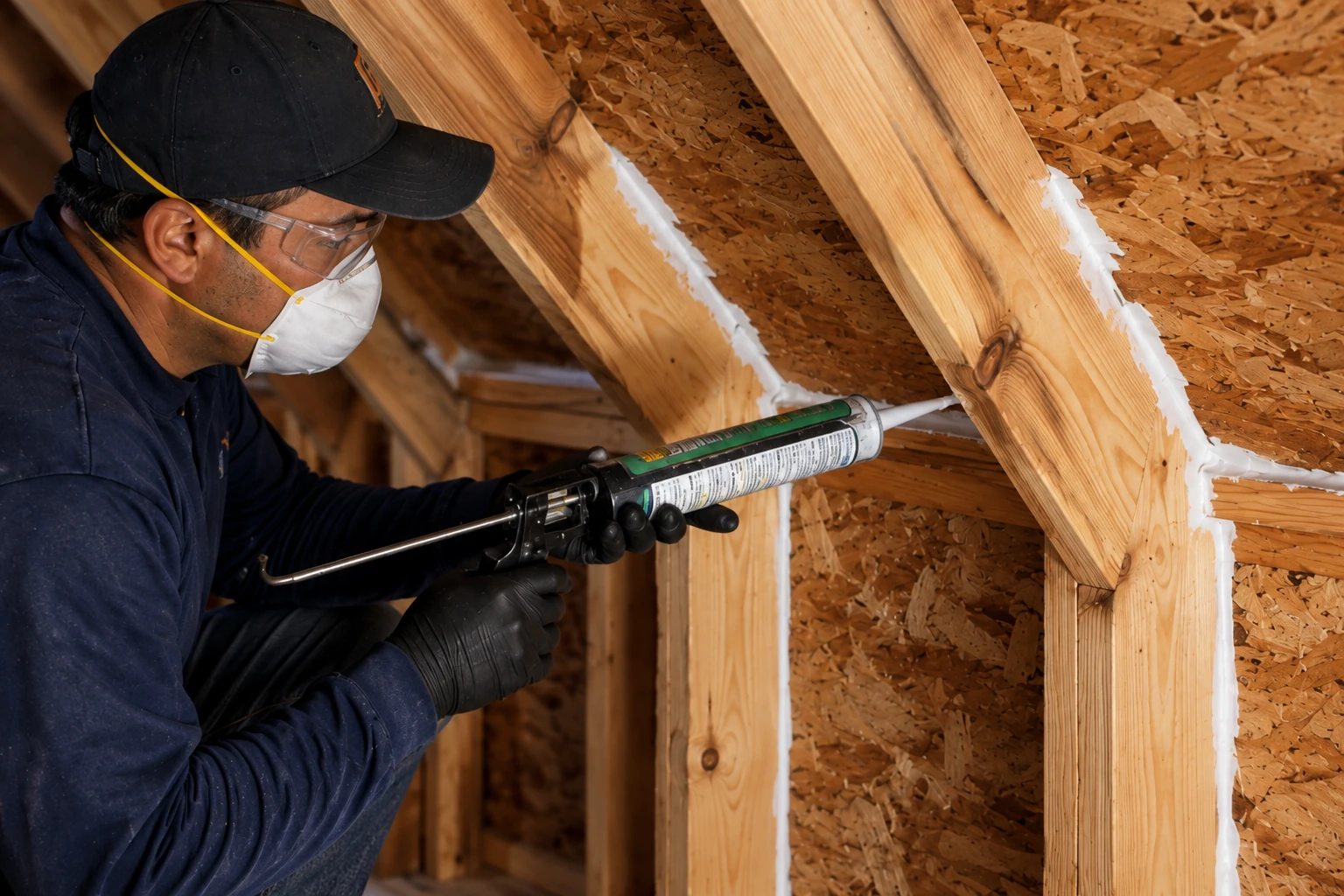
    Air sealing means closing the gaps around pipes, wires, lights and the hatch before insulating, because air moves through those gaps no matter how much insulation sits on top. It's the step most jobs skip, so we do it first.

    Explore service
  • Basement insulation

    When a house or building here does have a basement or cellar, it tends to run cold and damp. We deal with the moisture first, then pick a material that won't trap it against the wall.

    Explore service
  • Closed-cell foam insulation

    Closed-cell foam is a dense foam that also blocks moisture, so it fits spots like rim joists and crawl space walls where damp air gets in. It costs more, so we use it where moisture is the problem, not everywhere.

    Explore service
  • Open-cell foam insulation

    Open-cell foam is softer and lighter, and it suits rooflines and walls where the goal is stopping air and sound rather than moisture. We'll compare it with loose fill for your attic before you decide.

    Explore service
  • Commercial insulation

    Property managers call us about offices, shops and rental buildings that have the same drafty spaces houses do. We plan the work around tenants and business hours and keep the work area contained.

    Explore service
  • Crawl space vapor barrier

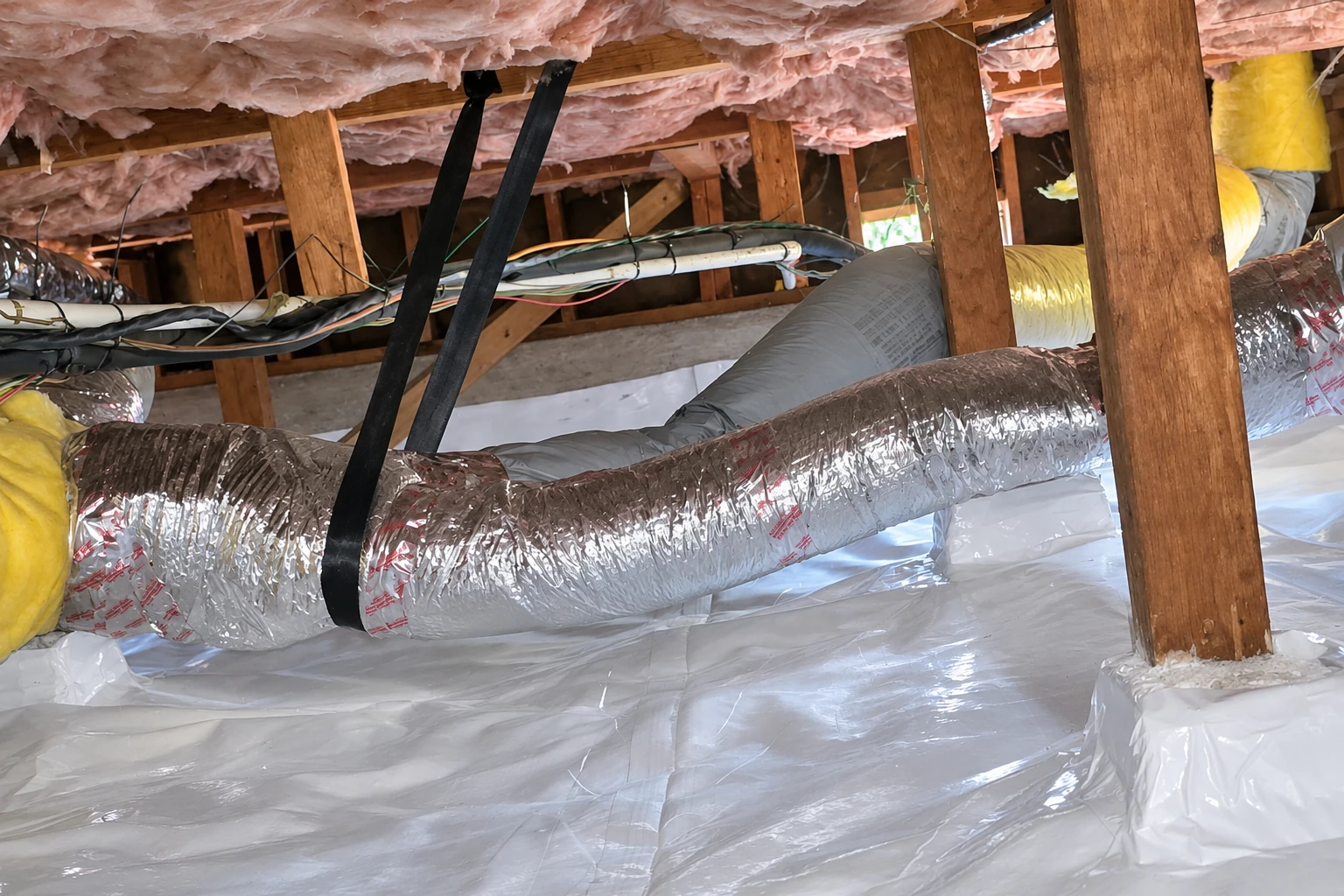
    Bare dirt in a crawl space gives off moisture, and that damp air works up into the floor and the insulation. We lay a vapor barrier over the ground and seal the seams so the space stays drier.

    Explore service
  • Vapor barrier installation

    A vapor barrier keeps moisture from moving into a wall, ceiling or floor, where it would wet the insulation. We put one in where your house needs it and leave it out where it would trap water.

    Explore service
  • Attic air sealing

    The room over the garage and the hallway under the attic hatch are where we find the worst drafts. We seal the wall tops, the chases and the hatch so attic air stays in the attic.

    Explore service
  • Retrofit insulation

    Many homes here still have the insulation they were built with and nothing added since. We add to what's there when it's sound and pull it out when it isn't, so you're not paying to cover a problem.

    Explore service

Working in Woodland: permits, licenses and what sets the price

A few things get settled before we start a job in Woodland. They're who decides on a permit, how you can check out a contractor, and what moves your price and your schedule.

Who decides on permits and licenses here

Permits in Woodland come from the city's Building Division, part of the Community Development Department. Its permit list doesn't name insulation on its own, so whether your job needs one is the division's call. If it does, the city inspects all permitted work, so an inspection visit gets added to the schedule before the job's done.

You can check on a contractor here, too. The city's Community Development Department issues and renews business licenses, so it's fair to ask whoever's going into your attic for theirs. While you're at it, ask who's handling the permit question, because a contractor who shrugs at that usually shrugs at the details up there too.

  • Call the Building Division at 530-661-5820 with permit questions before work starts.
  • When your job needs a permit, we apply for it ourselves.
  • We set up the city inspection so you don't have to chase it.

What moves your price and your schedule

Your price mostly turns on what's already up there and how hard it is to reach. Old insulation that's soaked or full of droppings has to come out first, and that's real labor. A low attic or a tight crawl space slows the crew down. Foam costs more than loose fill, so that one choice can move the number more than anything else.

The schedule turns on how much has to come out, how many gaps need sealing, and whether a permit and inspection are part of it. I come out to look at every job myself and write the estimate. You get it in writing, with what we'll do, in what order, and what can wait.

  • How many inches of old insulation are up there now, and its condition.
  • Whether your ductwork runs through the attic, which can make foam worth it.
  • Access, meaning hatch size, headroom and how much stored stuff has to move.

A free on-site insulation estimate for your Woodland home

Send the form or call (707) 452-3285, and we'll reply within one business day, with no obligation. I'll come out to your Woodland house myself and look at the attic or crawl space with you. Then you get the estimate in writing.

(707) 452-3285

What we run into on Woodland houses

Every house is different once you're in the attic, but a few setups come up again and again. These are the ones that shape how we plan an insulation job here.

  • Balloon-frame houses near downtown

    Many homes in Woodland's historic core date to the late 1800s and early 1900s and were built balloon-frame, with wall studs running from the foundation to the roof. That leaves open channels inside the walls, so air moves from the crawl space up into the attic until those channels get blocked.

  • Ducts running through the attic

    On a lot of newer homes, the heating and cooling ducts run through the attic, where summer heat bakes them. That's the setup where foam at the roofline can earn its higher cost, because it brings the ducts inside the insulated part of the house.

  • The room over the garage

    A bonus room over a garage runs hot in summer and cold in winter, because it has an unheated garage below and attic space around it. We look at the floor, the short knee walls and the sealing between the garage and the room.

  • Cold floors over crawl spaces

    Plenty of houses here sit on a raised floor over a crawl space instead of a slab. When that space has bare dirt and little insulation, the floors stay cold all winter and damp air works its way up into the house.

  • Eave vents buried in insulation

    Over the years, insulation gets pushed into the eaves and blocks the vents where the roof meets the walls. When the attic can't breathe, moisture builds up in the framing, so we keep those vents clear with baffles before adding anything.

How we decide what your house actually needs

Most insulation problems have a cheaper fix than people expect, and some don't. Here's how we figure out which one you've got, and what you can count on from our crew.

We fix the right first thing, not the biggest

I sold energy upgrades for another company before I ever worked in an attic, and I saw how easy it is to sell the big job when a house needs something smaller. After a couple of years I wanted to be the one up there, so I joined an install crew and learned by doing. Now I'd rather lose the sale than talk you into work you don't need.

In practice that means sealing comes first. Sealing the gaps around pipes, wires, lights and the hatch costs little next to a full job, and insulation laid over open gaps just fights a draft. For a lot of houses, sealing and topping up the loose fill is the whole answer. When foam is the better call, I'll show you why.

  • The owner checks before we finish

    Our installers do the work, and I go over it before we pack up. I'm looking at what you can't easily see from the hatch, like whether the depth runs all the way out to the edges, which is where loose fill tends to come up thin.

  • Licensed and insured since 2017

    We're licensed and insured, and we've run this business out of Vacaville since 2017. A Woodland house gets the same estimate process, the same crew and the same check at the end as any other house we work on. Satisfaction guaranteed.

  • Your house left clean

    Attic work drops dust and fiber through the hatch, so we cover the floor below it and the path to the door before we start. When we're done, the crew cleans up inside and out, and any old material we pull leaves with us.

  • Call early, late or on weekends

    Our hours run 7 AM to 10 PM, Monday through Sunday, so you don't have to take time off work to reach us. Call (707) 452-3285 or use the form, tell us what the house is doing, and we'll set a time for me to come look.

Questions about insulating a house in Woodland

These are the questions worth settling before insulation work starts in Woodland. The answers draw on the city's own rules and weather, plus what we see in attics and crawl spaces.

Does a new roof, furnace or water heater need a permit in Woodland, CA?

Yes, the city's list of work that requires a permit includes a new roof, a furnace or air conditioner, a water heater and any electrical work, and all permitted work gets inspected. That matters if you're pairing insulation with a roof or HVAC change, or swapping out old can lights, because those pieces go through the permit process on their own. At the estimate I'll tell you how permits work for your job.

What hours can contractors work in Woodland, CA?

Construction in Woodland can run from 7 a.m. to 6 p.m. Monday through Saturday, and from 9 a.m. to 6 p.m. on Sundays and holidays. Anything outside those hours needs the Building Official's approval. We plan attic work inside those hours, and in summer we start as early as they allow, before the attic heats up.

How much does attic insulation cost in Woodland?

Attic insulation in Woodland costs more when old material has to come out, when the attic floor needs a lot of sealing, or when you choose foam over loose fill. On the older balloon-frame houses near downtown, blocking those open wall channels adds work a newer house usually doesn't need. The estimate is free, and you'll have a written number before you decide anything.

What is the best way to keep an upstairs room cool in a Woodland summer?

For most houses, the best way is to seal the gaps in the attic floor and then bring the insulation up to an even depth, edges included. Woodland summers average in the mid- to upper 90s and have hit 114°F, so whatever leaks through the attic floor lands right in your upstairs rooms. If your ducts run through the attic, that's the case where foam can be worth the extra cost.

What causes damp insulation in a Woodland crawl space?

Damp crawl space insulation usually comes from ground moisture and winter water getting under the house, and close to 90 percent of Woodland's rain falls between November and April. The city also notes a continual flooding risk from Cache Creek on the north side of town. If your crawl space has taken water, we pull the wet insulation and put down a vapor barrier before anything new goes in.

Service areas

We're an insulation contractor based in Vacaville, CA, and Woodland is one of the cities around it we work in, along with Davis, Dixon, Fairfield, Napa and others. If you don't see your city, call (707) 452-3285 and ask.

Ask about your location
(707) 452-3285Get an estimate