
J&S Vacaville Insulation ServicesJ&S Vacaville Insulation Services(707) 452-3285

Insulation contractor in Richmond, CA - attics sealed, then insulated

J&S Vacaville Insulation Services is an insulation contractor based in Vacaville, CA, and we work in Richmond too. We seal the gaps in attics, crawl spaces and walls, then add or replace the insulation over them.

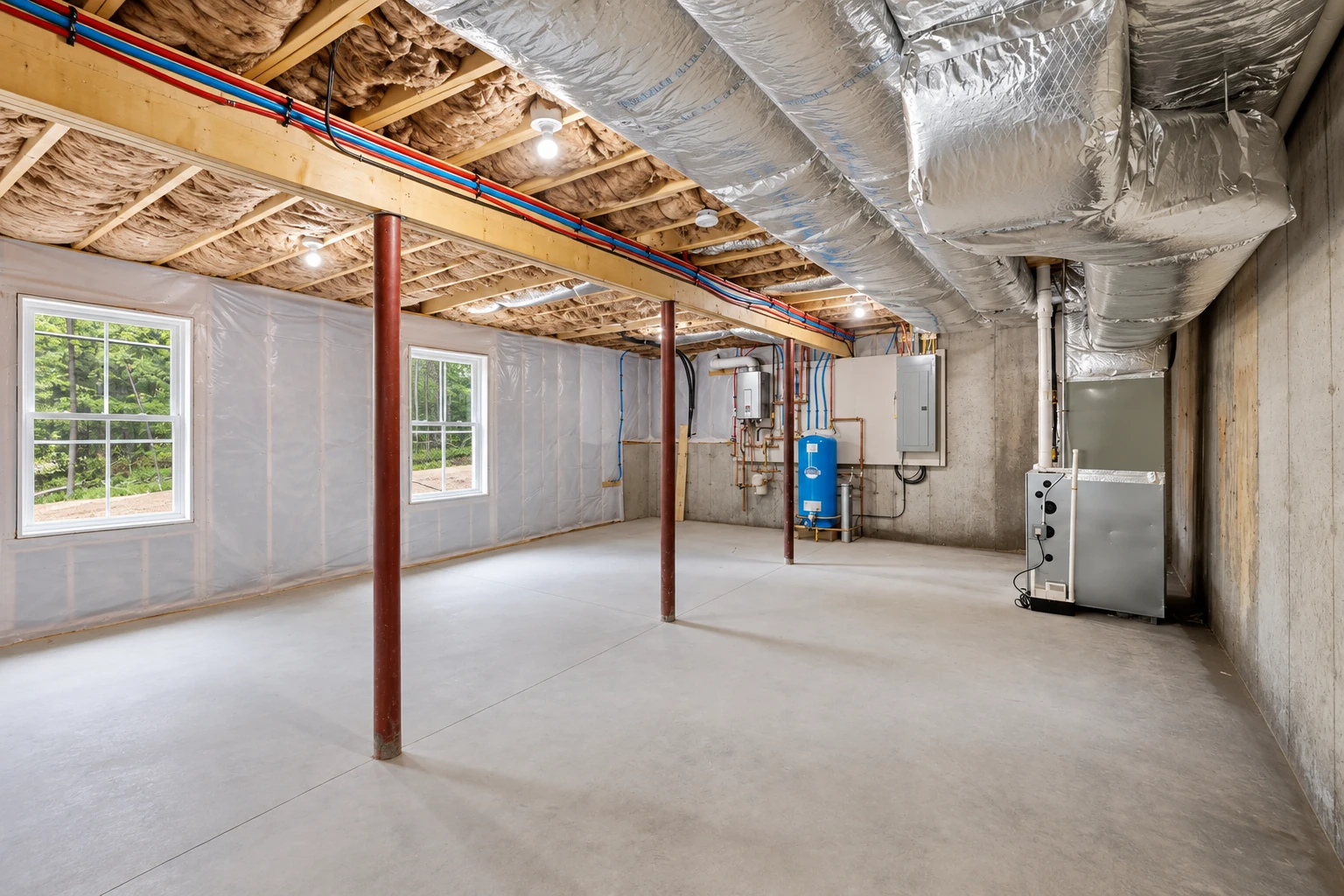
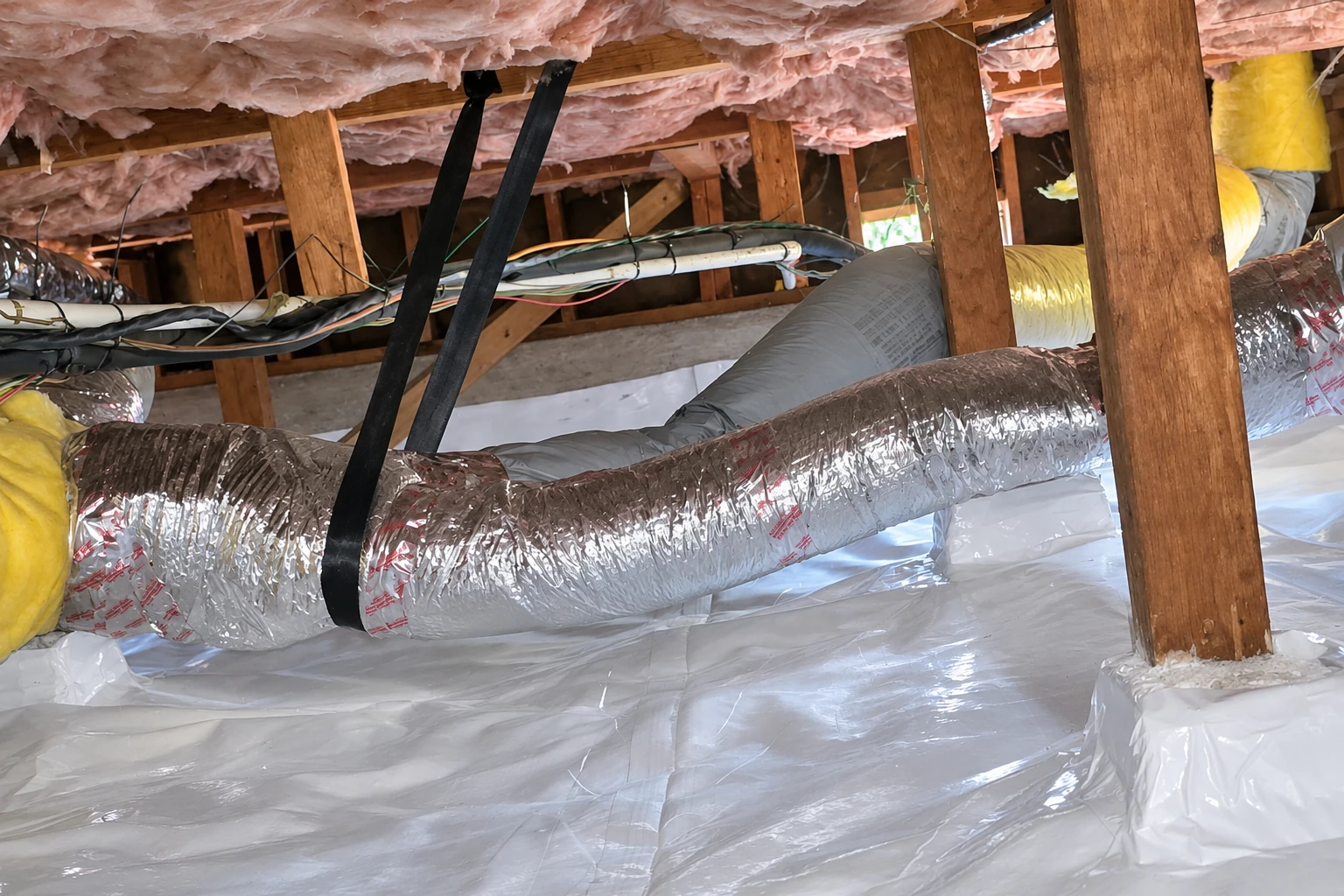
An unfinished basement has insulated ceiling joists, large silver ducts, exposed pipes, and a bare concrete floor.

Richmond as we see it from the attic hatch

Richmond sits on the bay side of the cities we cover from Vacaville, and we also work nearby in Vallejo and Concord. Calls here come from homeowners and from property managers with rental and commercial buildings.

Across the city, from the streets near the waterfront to the ones farther inland, the houses run the range we see everywhere. Some are older, some newer, and they come single-story and two-story, with rooms over garages and raised floors over crawl spaces. Older houses tend to have thin, settled insulation and years of holes cut through the ceiling for lights and wiring. Newer ones more often have decent depth with gaps nobody sealed. So the job gets decided by what we find when we open the hatch or the crawl space door, not by the address.

Insulation services we offer in Richmond

In Richmond we do the same work we do across our area. That covers attics, crawl spaces, walls and whole-house jobs, plus commercial buildings for property managers. Every job starts the same way. I come out, look at what's in your attic or under your floor, and work out the order, with sealing first where the house needs it and insulation after. Below is everything we offer, with a line on when each one makes sense.

  • Spray foam insulation

    Spray foam earns its place over the room above the garage and in attics where the ductwork runs, because it seals air and insulates in one pass. It costs more than loose fill, so I only suggest it where the house calls for it.

    Explore service
  • Attic insulation

    Most drafty-house calls trace back to the attic, where old insulation has settled thin or was never deep enough. We seal the gaps first, then bring the coverage up evenly, edges included.

    Explore service
  • Blown-in insulation

    Blown-in insulation is loose fill blown through a hose, and it's how we top up an attic that already has a thinner layer. We keep the eave vents clear and the depth even from the middle out to the edges.

    Explore service
  • Home insulation

    When several rooms are uncomfortable, the fix usually spans the attic, walls and floor rather than one spot. We look at the whole house, then start with the change that matters most.

    Explore service
  • Insulation removal

    Insulation that's been soaked by a roof leak or fouled by rodents has to come out before anything new goes in. We vacuum it out and clean the space so the problem doesn't stay hidden under fresh material.

    Explore service
  • Crawl space insulation

    Cold floors in houses on raised foundations usually mean the crawl space insulation is thin, missing or hanging loose. We fit insulation between the floor joists and hold it in place so it stays up.

    Explore service
  • Wall insulation

    Older walls built without insulation leave rooms cold along the outside walls no matter how the heater runs. We can fill those walls through small holes and patch them, without tearing out the drywall.

    Explore service
  • Air sealing services

    Air sealing means closing the gaps before insulating, and it's often the cheapest fix for a drafty house. We seal around pipes, wires, can lights and the attic hatch so the insulation isn't fighting a draft.

    Explore service
  • Basement insulation

    Where a house has a basement, heat slips out through bare foundation walls and the band of framing that sits on top of them. We insulate both so the space below stops pulling warmth out of the floors.

    Explore service
  • Closed-cell foam insulation

    Closed-cell foam is a dense foam that also blocks moisture, so it suits crawl spaces and tight spots where air and damp both need stopping. It's one of the pricier options, so we save it for places where that matters.

    Explore service
  • Open-cell foam insulation

    Open-cell foam is softer and lighter, and it works well on the underside of a roof and inside walls where you want air sealing and some sound dampening. It doesn't block moisture the way closed-cell does, so we keep it to dry, protected spaces.

    Explore service
  • Commercial insulation

    Property managers call us about rental buildings, offices and shops with drafty units or a high power bill. We plan the work around tenants and business hours so the building keeps running.

    Explore service
  • Crawl space vapor barrier

    A bare dirt floor under a raised house lets ground moisture rise into the crawl space and the framing. We lay a vapor barrier, a heavy plastic sheet over the soil, with the seams overlapped and sealed.

    Explore service
  • Vapor barrier installation

    Some walls, floors and attics need a moisture barrier on the right side of the insulation to keep damp out of the framing. We check where it belongs in your house before we put it in, because the wrong side can trap moisture.

    Explore service
  • Attic air sealing

    Before new insulation goes up, we seal the openings in the attic floor around fixtures, ducts and the hatch. Insulation laid over open gaps keeps leaking air, so this step comes first on our attic jobs.

    Explore service
  • Retrofit insulation

    Houses built before insulation was standard can still be insulated without opening them up. We add it to finished walls, attics and floors while working with what's already there.

    Explore service

Working in Richmond: permits, licenses and what sets the price

Richmond has its own permit office and its own rules for who can pull a permit. Here's what that means for your insulation job, and what decides the price and the timing.

Who issues the permit and what to check

Building permits in Richmond come from the city's Building Division. Applications go in online, or in person by appointment if online won't work for you. How long a permit takes depends on the scope. The city says most single-trade permits, and residential remodels that need no drawings, are issued once it receives and checks the application documents.

The City of Richmond also tells you what to check. Permits go only to property owners, their authorized agents or licensed contractors, and a contractor has to show a Contractor's State License Card, a workers' compensation insurance certificate and a current City of Richmond Business License to register. Ask any contractor you're weighing for all three. When your job needs a permit, we apply for it and set up the inspection ourselves.

  • Ask any contractor for their state license card before you sign.
  • A current Richmond business license is part of the same check.
  • At the estimate, I'll tell you how permits work for your job.

What moves the price and the schedule

The price comes from what's in your attic or crawl space, not from square footage alone. A few things move the number up or down. How many inches are already up there. Whether old material is soaked or full of droppings and has to come out first. How many gaps need sealing around lights, pipes and the hatch, and whether foam makes sense for your house.

The schedule turns on three things. A permit, when the job needs one, comes first. Removal adds time before new material goes in, and foam adds a stretch where you stay out while it cures. I come out, look at the job, and you get the estimate in writing with the figure for your house.

  • Tight attic access or a low roof means slower, harder work.
  • Rooms over garages often need more than one surface done.
  • Clean, dry existing insulation can usually stay and be topped up.

Get a free written insulation estimate for your Richmond home

Send the form or call (707) 452-3285, and we'll reply within one business day to set a time. I come out to your Richmond house myself, look at the attic or crawl space, and give you a written estimate. It's free, and there's no obligation.

(707) 452-3285

What we check in Richmond houses

These are the things we look for on almost every house we walk through. Most of them don't show from the living room, so we go up into the attic and down into the crawl space and look.

  • Settled attic insulation

    Older insulation packs down over the years, and a lot of what we find is thinner than it looks from the hatch. We measure the inches actually up there and check the edges, because coverage that's deep in the middle and thin at the eaves is backward.

  • Gaps around lights and pipes

    Every hole cut through the ceiling for a can light, a pipe or a wire lets house air into the attic. If those gaps stay open, new insulation just filters a draft, so we seal them before anything goes on top.

  • Eave vents buried in insulation

    When insulation gets blown right up against the eaves, it covers the vents that let the attic breathe. Moisture then collects and shows up in the framing, so we set baffles, short channels that hold insulation back, to keep air moving.

  • The room over the garage

    That room has unheated space on several sides, under the floor and behind the short walls under the roof, and it's often the least insulated room in the house. It's a call we get a lot, and it usually needs work on more than one surface.

  • Crawl spaces under raised floors

    Cold floors usually point down, to a crawl space where the insulation has dropped out of the joists or was never put in. We check the floor insulation, the ground cover and the vents together, since one problem down there often leads to the next.

How we decide what your house actually needs

I used to sell this work, so I know how a pitch can outrun what a house needs. Here's how we keep the job matched to your house instead of to the biggest ticket.

We fix the right first thing

Before I installed insulation, I sold energy upgrades for another company. I saw how easy it is to sell the big job when the house needed something smaller, and that's the part of the trade I wanted out of. So when I'm in your attic, I'm looking for the first thing that actually needs fixing, and I'd rather lose the sale than talk you into work you don't need.

Foam is a good example. It costs more, and it seals air while it insulates, which is why it gets pitched so often. For most attics, sealing the gaps and topping up the loose fill does the job for less. Where the ductwork runs through the attic, foam starts to earn its price, and I'll tell you which side of that line your house is on.

  • I write every estimate

    I come out to every job, Richmond included, and look at the attic or crawl space myself before I put a number on it. You get the estimate in writing, so you can compare it line by line with anyone else you're talking to.

  • Installed by our crew, checked by me

    Our installers do the work, and I check it before we call the job finished. I'm looking at the things that go wrong out of sight, like open gaps around the hatch, buried vents and thin coverage at the edges.

  • Attics since we opened in 2017

    We opened in Vacaville in 2017, and attics are the work we're best known for. That means sealing the gaps and laying the insulation in the right order, so the new material isn't covering the same leaks that caused the problem.

  • Licensed, insured, satisfaction guaranteed

    We're licensed and insured, and our work is satisfaction guaranteed. When you're ready to have someone look, call (707) 452-3285 or send the form on this page, and tell us what's going on in the house.

Questions Richmond homeowners ask about insulation

These are the questions people in Richmond ask us most about insulation and the city's permits. If yours isn't here, give us a call and I'll answer it.

Do I need a permit to insulate my house in Richmond, CA?

Richmond requires a building permit before a building is altered, repaired or improved, and the city's list of work exempt from permits says a permit is likely required for anything the list doesn't name. Insulation work can fall under that rule, so it's worth checking before anyone starts. At the estimate I'll tell you how permits work for your job.

How much does insulation cost for a house in Richmond?

There's no flat price, because the cost follows your house, from the size of the space to how easy it is to reach and what shape the old insulation is in. A clean attic that needs sealing and a top-up usually costs far less than one where everything has to come out first. Your written estimate gives you the figure for your house.

How do I know if my attic needs more insulation or just air sealing?

If the insulation is thin or packed down, it needs more, and if there's a good depth up there but rooms are still drafty, the gaps underneath are usually the problem. Plenty of attics need some of both, sealing first and then a top-up. I'll show you what I find so you can see it for yourself.

How long does it take before we can go back inside after spray foam insulation?

The foam maker sets a re-entry time for how long everyone stays out while the foam cures, and we follow it. I'll give you that time before the job is booked so you can plan for the kids and pets. With blown-in insulation you usually don't need to leave, because the work stays up in the attic.

Service areas

We're based in Vacaville and work across the cities around it, including the ones listed here and plenty of others nearby. If your city isn't listed, call (707) 452-3285 or use the form and ask.

Ask about your location
(707) 452-3285Get an estimate