
J&S Vacaville Insulation ServicesJ&S Vacaville Insulation Services(707) 452-3285

Insulation contractor in Fairfield, CA - attics sealed first, then insulated

J&S Vacaville Insulation Services is an insulation contractor working in Fairfield, CA. We insulate and air seal attics, walls and crawl spaces, and remove old insulation, for homeowners and for property managers with buildings in the city.

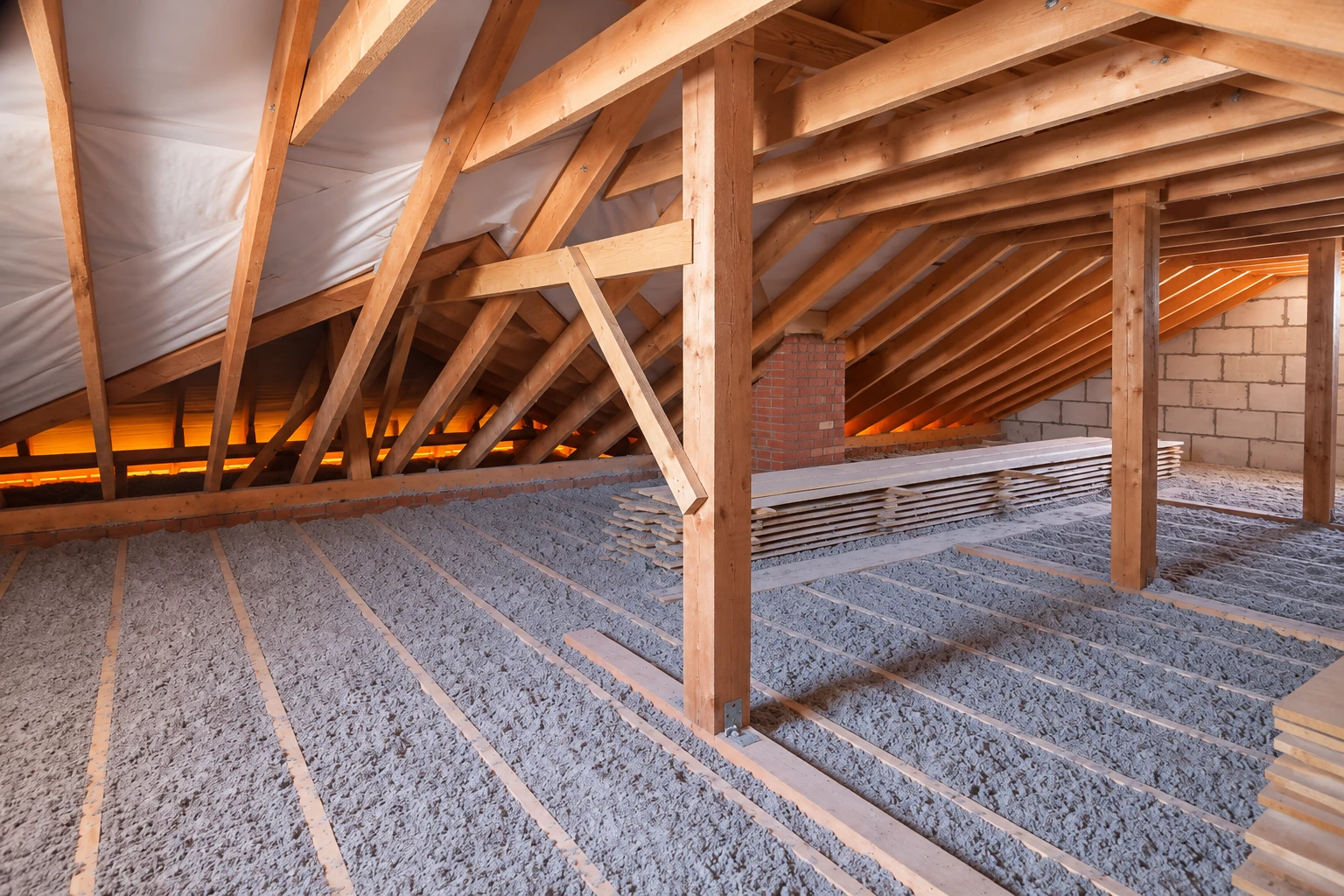
Loose-fill insulation covers an attic floor beneath exposed wooden roof trusses.

How we see Fairfield from inside its attics

Fairfield is part of our regular area, close to our base in Vacaville. The calls here sound like the calls across our area. Someone's upstairs is hot, the room over the garage is drafty, the power bill keeps climbing, or a property manager has a building where half the rooms never feel right. The same crew does the same work in Suisun City and out in Davis.

The houses run from older homes with whatever insulation went in years ago to newer ones where nobody has looked in the attic since the builder left. Either way, what's up there now decides the job, so I start by climbing up and measuring it.

Insulation services we offer Fairfield homes and buildings

Every service we offer in Vacaville, we also do in Fairfield, from blown-in attic top-ups to spray foam, crawl space vapor barriers and commercial work. Planning starts with what's already in the house. I come out, look in the attic or crawl space, check how much insulation is there and what shape it's in, and look for gaps, wet spots and buried vents before I recommend anything. Sometimes the answer is a big job. More often it's sealing a few gaps and adding what's missing.

  • Spray foam insulation

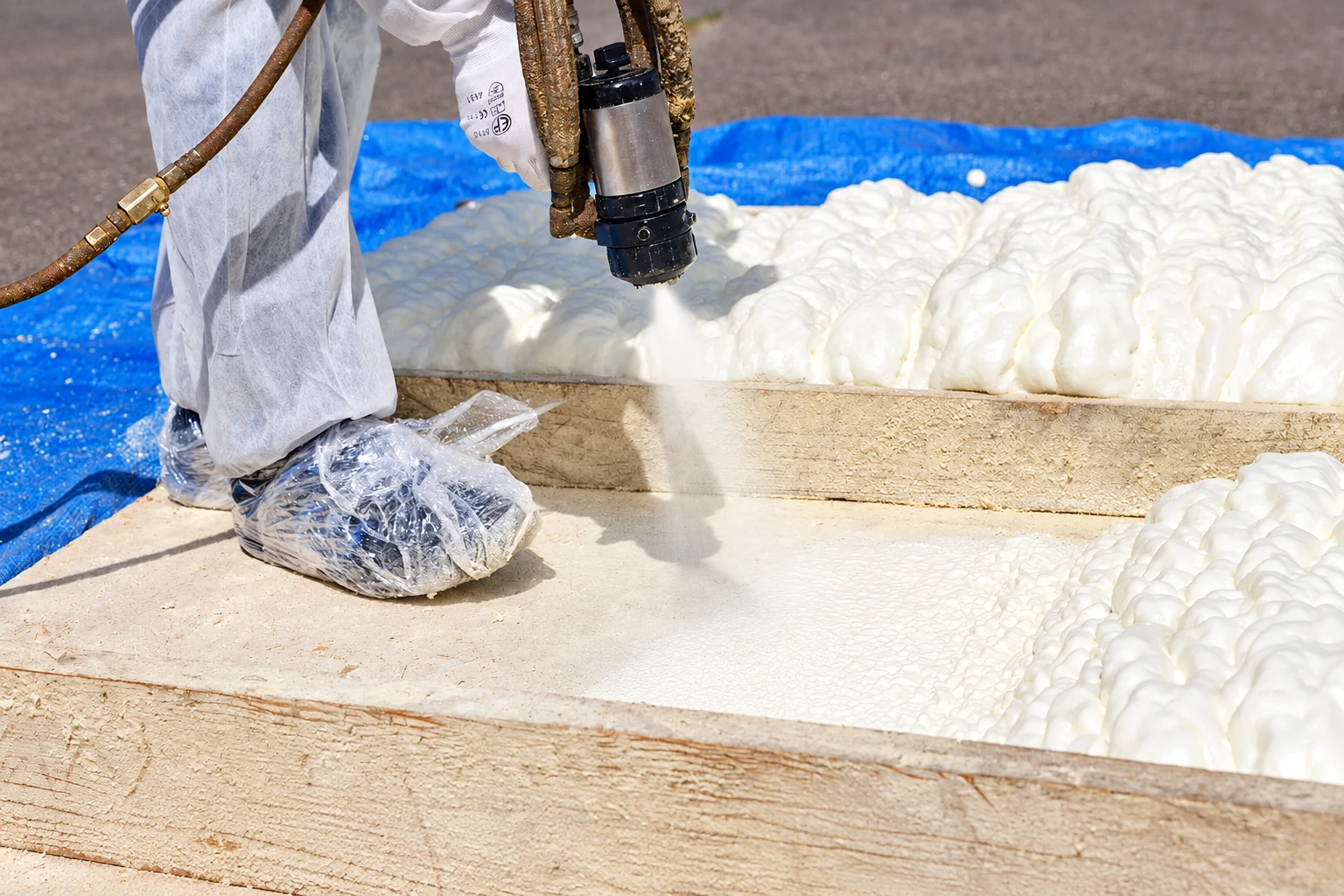
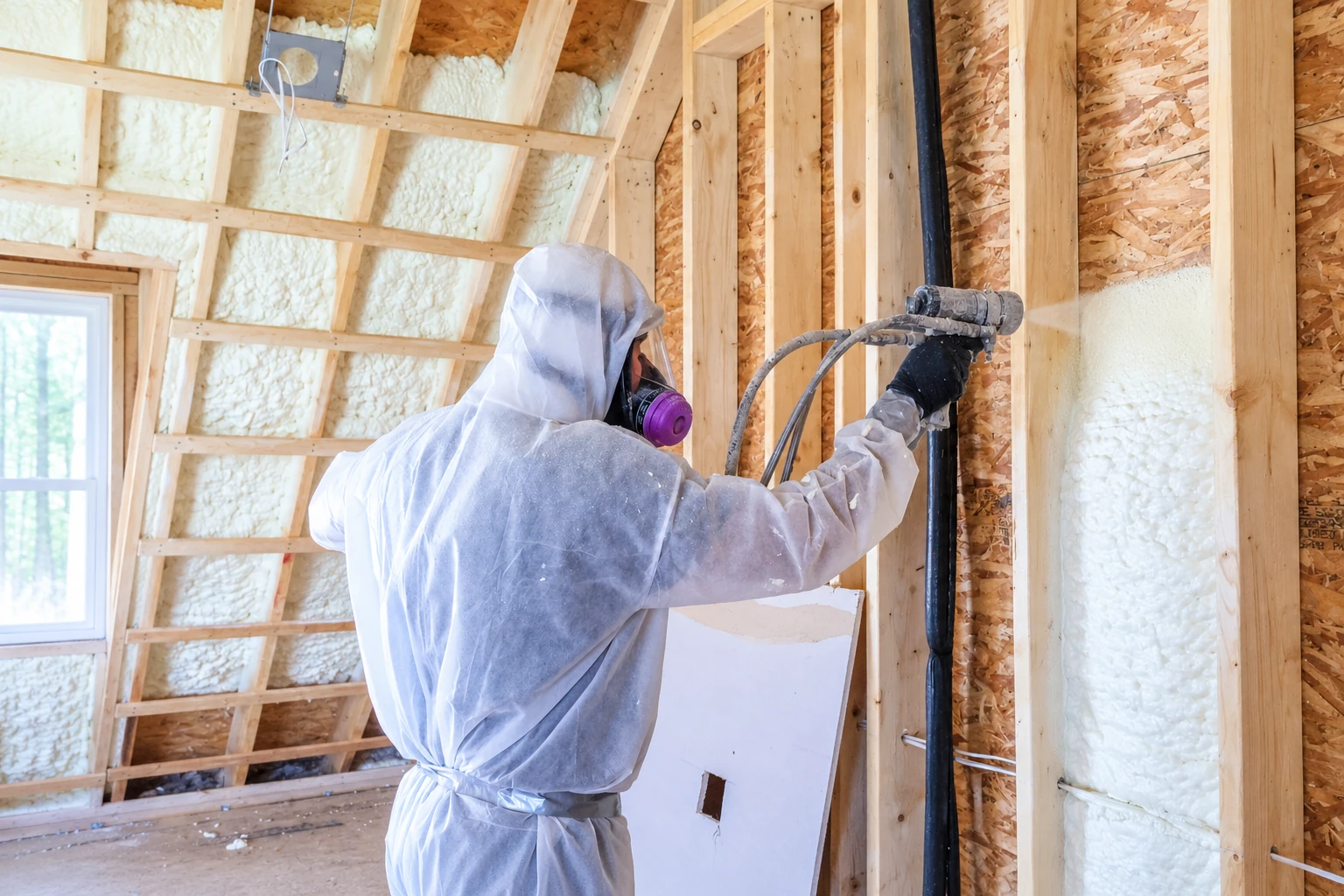
    Spray foam suits spots where air and heat both need stopping, like the room over the garage or an attic with ductwork in it. It costs more than loose fill, so we recommend it only where sealing and insulating in one step really pays off.

    Explore service
  • Attic insulation

    Most Fairfield calls start in the attic, with a hot upstairs or insulation that's settled thin over the years. We seal the gaps first, keep the eave vents clear and bring the edges up to depth along with the middle.

    Explore service
  • Blown-in insulation

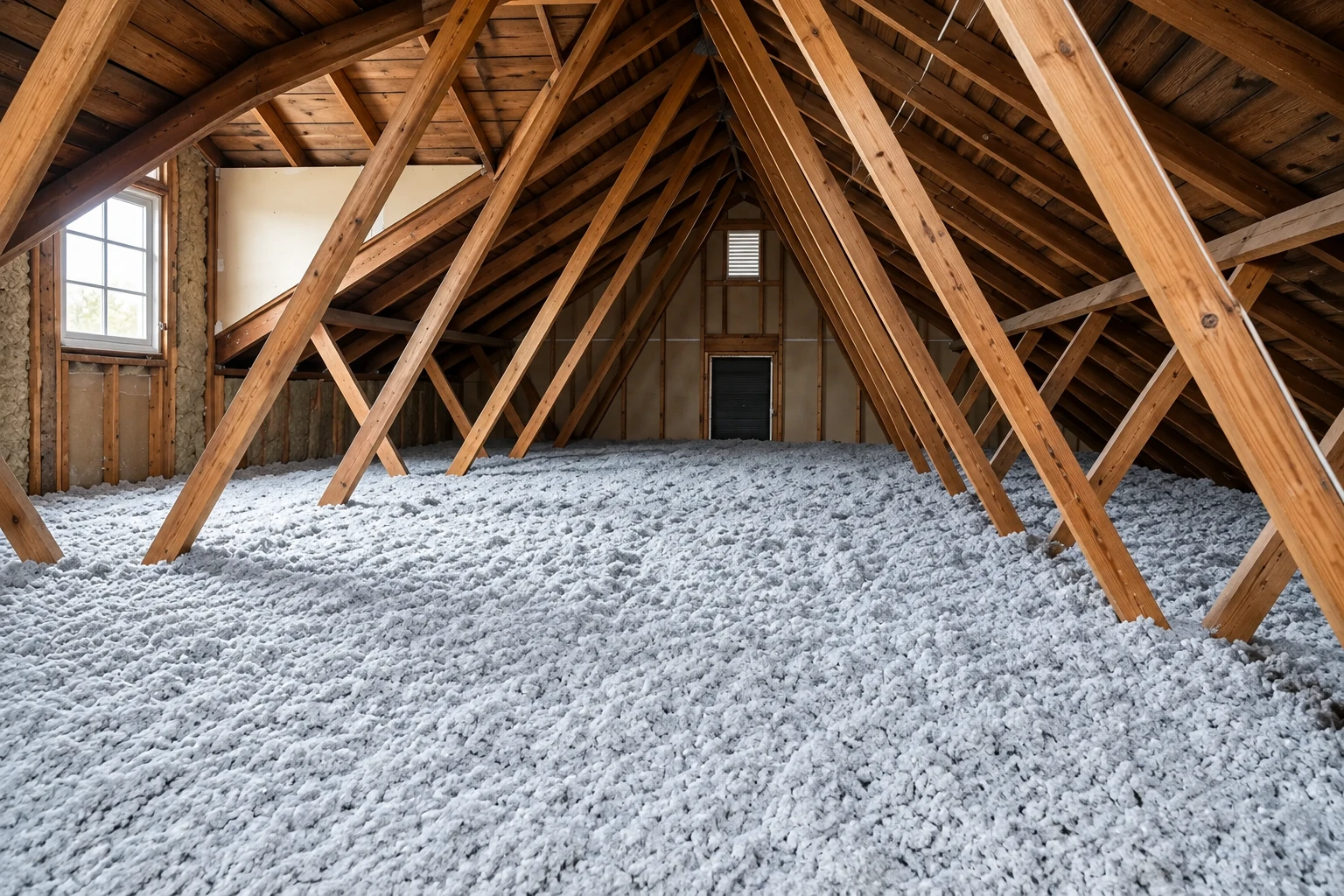
    Blown-in insulation is loose fill blown through a hose, and it's how we top up most attics that already have some insulation. It settles evenly around framing and wires, so it's usually the most practical way to add depth.

    Explore service
  • Home insulation

    When several rooms feel off, we look at the whole house instead of one spot. That shows whether the attic, the walls or the floor is the real problem before you spend anything.

    Explore service
  • Insulation removal

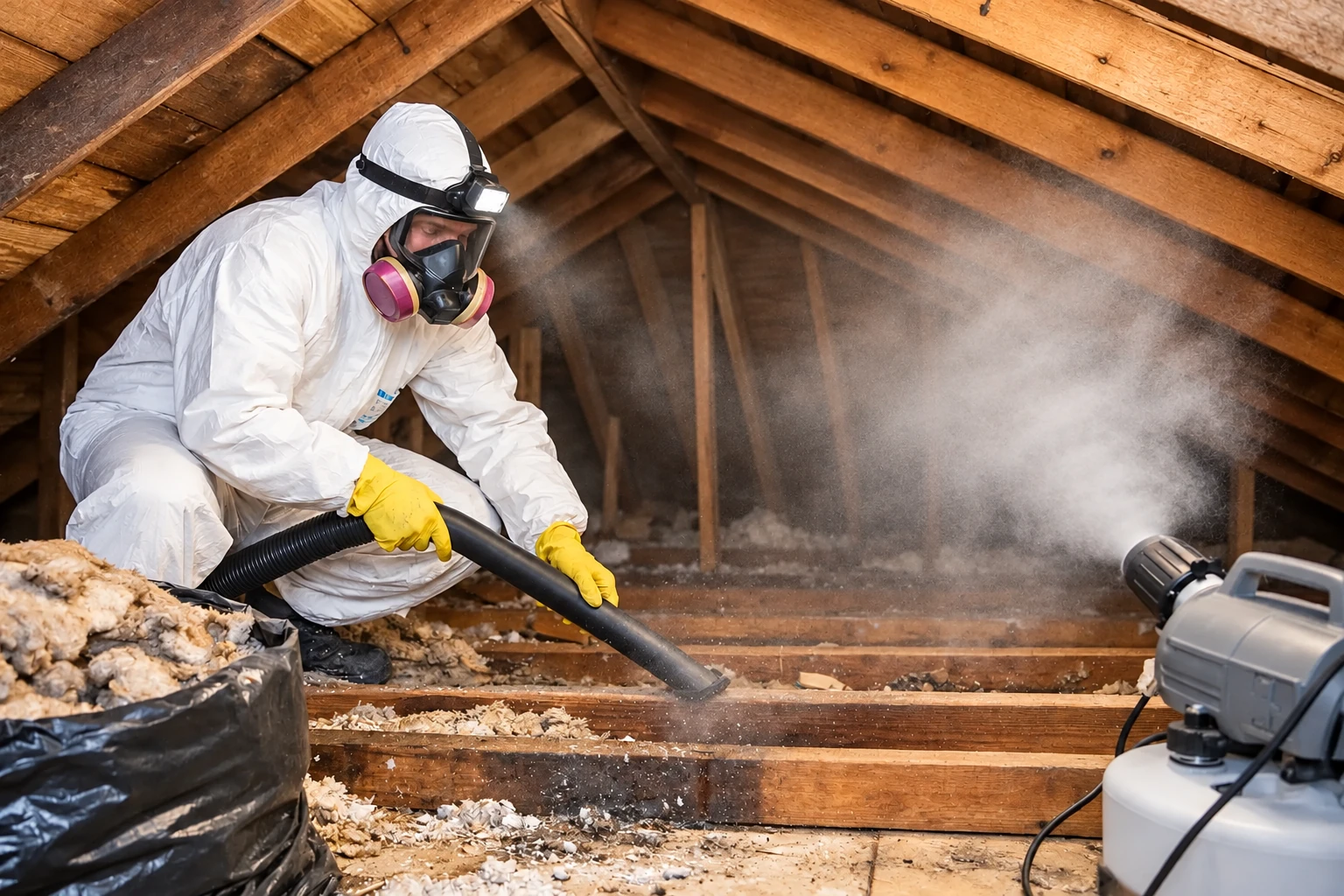
    Old insulation that's been soaked, flattened or filled with droppings has to come out, because new material on top only hides the problem. We bag it, clean the attic and check the wood before anything new goes in.

    Explore service
  • Crawl space insulation

    Cold floors in winter usually come from a crawl space with little or nothing between the floor joists. We insulate the underside of the floor and make sure it stays tight against the subfloor.

    Explore service
  • Wall insulation

    Some exterior walls in older houses are empty, which leaves a room drafty no matter what's in the attic. We check before we drill, and we only fill walls when they're the weak spot.

    Explore service
  • Air sealing services

    Air sealing means closing the gaps around pipes, wires, can lights and the hatch before insulation goes in. It's often the cheapest fix for a drafty room, and it's the step that gets skipped most.

    Explore service
  • Basement insulation

    Where a Fairfield home or building has a basement or a room below grade, it usually loses heat through bare walls. We insulate those walls with material that suits the moisture they see.

    Explore service
  • Closed-cell foam insulation

    Closed-cell foam is a dense foam that blocks moisture as well as heat, so it suits rim joists, crawl space walls and other damp spots. We use it where those qualities matter, not as a default.

    Explore service
  • Open-cell foam insulation

    Open-cell foam is softer and lighter, and it seals air and quiets sound well inside walls and under a roof deck. It's a good fit in some rooms over garages and a poor one where moisture is a concern.

    Explore service
  • Commercial insulation

    Property managers call us about offices, shops and rental buildings in Fairfield with uneven rooms and high bills. We plan the work around tenants and business hours so the building keeps running.

    Explore service
  • Crawl space vapor barrier

    A crawl space with bare dirt lets ground moisture rise into the floor framing and the insulation above it. We lay a vapor barrier over the ground and seal the seams so the space stays drier.

    Explore service
  • Vapor barrier installation

    Some walls, floors and ceilings need a vapor barrier to keep moisture from building up in the insulation. We put one in where the assembly calls for it and leave it out where it would trap water.

    Explore service
  • Attic air sealing

    Attic leaks hide under the insulation, around can lights, plumbing vents, wall tops and the hatch. We seal those before we top up, so the new insulation isn't fighting a draft.

    Explore service
  • Retrofit insulation

    Retrofit work means adding insulation to a finished house without tearing it apart. We reach attics, walls and floors through access points and patch up after ourselves.

    Explore service

Working in Fairfield: permits, licenses and what moves the price

We're an insulation contractor based in Vacaville, and a Fairfield job runs the same way ours do at home. It starts with the city's permit rules and the licenses you should check.

Permits and licenses for insulation in Fairfield

In Fairfield, the city's Building Safety Division reviews alterations to existing structures for safety and code compliance, so whether your insulation job needs a permit is the city's call. When a job does need one, the work waits on the permit, and the inspection has to be booked and passed before the job is done.

We apply for the permit and set up the inspection ourselves, and I'll tell you at the estimate how permits work for your job. If our insulation is part of a garage conversion, that permit comes from the city's Building Division, and the city's guidance says it expires if work doesn't start within 180 days of being issued.

  • Ask any contractor for their California state contractor license.
  • Ask whether they hold a current City of Fairfield business license.
  • Ask who applies for the permit and books the inspection.

What moves the price and the schedule

Price comes down to what's already up there. I measure how many inches you have, check whether it's clean or has to come out, count the gaps that need sealing and see how easy the attic or crawl space is to get into. Foam costs more than loose fill, so the material you choose moves the number most.

The schedule turns on the same things. Removal adds a step before anything new goes in, a permit adds the application and the inspection, and spray foam means time out of the house while it cures. The price comes in the written estimate after I've looked at your house in person, so it's based on what's really there.

  • Inches of insulation already in the attic, and their condition.
  • Gaps around can lights, pipes and the hatch that need sealing.
  • Whether ducts run through the attic, which can make foam worth it.

Get a written insulation estimate for your Fairfield home

Send the form or call (707) 452-3285, and we'll reply within one business day to set a time. I come out to your Fairfield home myself, look at the attic or crawl space with you and give you a free estimate in writing. There's no obligation and no pressure to book.

(707) 452-3285

What we find in Fairfield attics and crawl spaces

Most houses we walk through have one or two of the same problems. These are the ones I look for first, because they decide what the job really needs.

  • Thin, settled insulation

    A lot of attics have insulation that's packed down over the years, so it's not as deep as it once was. I measure the inches up there now in several spots, because that number, more than the age of the house, tells us how much to add.

  • Soaked or dirty old material

    Insulation that took on water from a roof leak, or filled up with rodent droppings, doesn't get covered over. Fresh material on top keeps the problem in your attic, so we take the old stuff out, clean up and check the wood first.

  • The room over the garage

    That room runs hot and cold because it sits between the garage below and the roof above, often with gaps nobody ever sealed. We seal and insulate the floor and the short walls around it so the room feels like the rest of the house.

  • Cold floors over a crawl space

    Houses on a crawl space often have bare joists under the floor, so the floors feel cold all winter. We insulate between the joists and, where the ground is bare dirt, put down a vapor barrier to keep moisture out of the framing.

  • Buried vents and thin edges

    When insulation gets blown right over the eave vents, the attic stops breathing and moisture shows up in the wood. The other common mistake is deep in the middle and thin at the edges. We fit baffles, small chutes that hold insulation back from the vents, and keep the depth even.

Why we're worth a call for your Fairfield attic

I sold insulation before I installed it, and I saw how easy it is to sell a bigger job than a house needs. Here's how we work instead.

We seal the gaps first, then insulate

The first thing we fix has to be the right first thing. In most attics that's air sealing, closing the gaps around can lights, pipes, wires and the hatch, because air moves through those gaps whether there's insulation on top or not. Insulation laid over open gaps just fights a draft it can't win.

Foam costs more and seals air while it insulates, which makes it an easy thing to sell. For most attics, sealing the gaps and topping up loose fill does the job for less. The exception is ductwork. When your ducts run through the attic, foam at the roofline can be worth the extra cost, and I'll show you why up there.

  • The owner writes every estimate

    I come out to every job myself, look in the attic or crawl space with you and write the estimate, and you get it in writing. If a smaller fix is what your house needs, that's what I'll recommend, even when it means a smaller job for us.

  • Installers, then the owner's check

    Our installers do the work, and I check it before we finish. I look at the depth at the edges as well as the middle, the vents and the gaps we sealed, because those are the spots that get missed when nobody looks.

  • Licensed, insured, satisfaction guaranteed

    We're licensed and insured, and satisfaction guaranteed is how we've run the business since we opened in Vacaville in 2017. You're welcome to check our license and insurance before anyone climbs into your attic.

  • Open seven days, 7 AM to 10 PM

    We're open Monday through Sunday from 7 AM to 10 PM, so you can reach us after work or on a weekend. Call (707) 452-3285 or use the form on this page to set up a time for me to look at your house.

Questions about insulation work in Fairfield, CA

These are the questions people in Fairfield ask before they let anyone into their attic. The answers cover cost, permits, licenses, timing and what's usually behind a hot or drafty house.

How much does it cost to insulate an attic in Fairfield, CA?

The cost depends on what your attic already has and what it needs, so there's no fair number until someone has looked. The biggest swings come from whether old insulation has to come out first, how much air sealing there is, how hard the attic is to reach, and foam versus loose fill. I'll look in person and give you the price in writing.

Do I need a permit to add insulation to my house in Fairfield?

The city's homeowner permit list doesn't settle it, because it covers work like roofs and painting but doesn't name insulation, so check with the city rather than assume. I'll tell you at the estimate how permits work for your job, and when one's needed, we take care of it.

When does an insulation contractor need a California state license?

A contractor needs a state license when the project needs a building permit, uses any additional workers, or costs $1,000 or more in labor and materials across one or more contracts. You can check a contractor with the Contractors State License Board before you sign anything.

Does a contractor need a Fairfield business license to work on my house?

Yes. The city requires a business license for anyone doing business within city limits, contractors and their subcontractors included, and the contractor is responsible for making sure its subs are licensed. Ask whoever you hire whether they hold a current Fairfield business license.

How long does attic insulation take, and do we have to leave the house?

The time depends mostly on whether old insulation comes out first, and you only need to leave for spray foam. With blown-in insulation and air sealing, most people stay home, because the work stays in the attic. With spray foam, plan for everyone, kids and pets too, to be out until the foam maker's re-entry time has passed, which is when it's safe to come back in.

What causes a hot upstairs or drafty rooms in a Fairfield house?

Usually it's air leaking through unsealed gaps in the attic floor, along with insulation that's thin, settled or missing at the edges. Those gaps around can lights, pipes and the hatch let air move freely no matter how much insulation sits on top. I check them first, because sealing them is often a smaller fix than a whole new layer.

Service areas

Besides Fairfield, we work in Vacaville, Suisun City, Dixon, Davis, Vallejo, Napa and plenty of other nearby cities. If you don't see yours listed, call (707) 452-3285 and ask.

Ask about your location
(707) 452-3285Get an estimate