J&S Vacaville Insulation ServicesJ&S Vacaville Insulation Services(707) 452-3285

Insulation contractor in Vallejo, CA - sealed first, then insulated right

J&S Vacaville Insulation Services is a Vacaville insulation contractor working in Vallejo, CA. We seal the gaps in your attic, top up or replace tired insulation, and insulate crawl spaces and walls for homes and rental buildings.

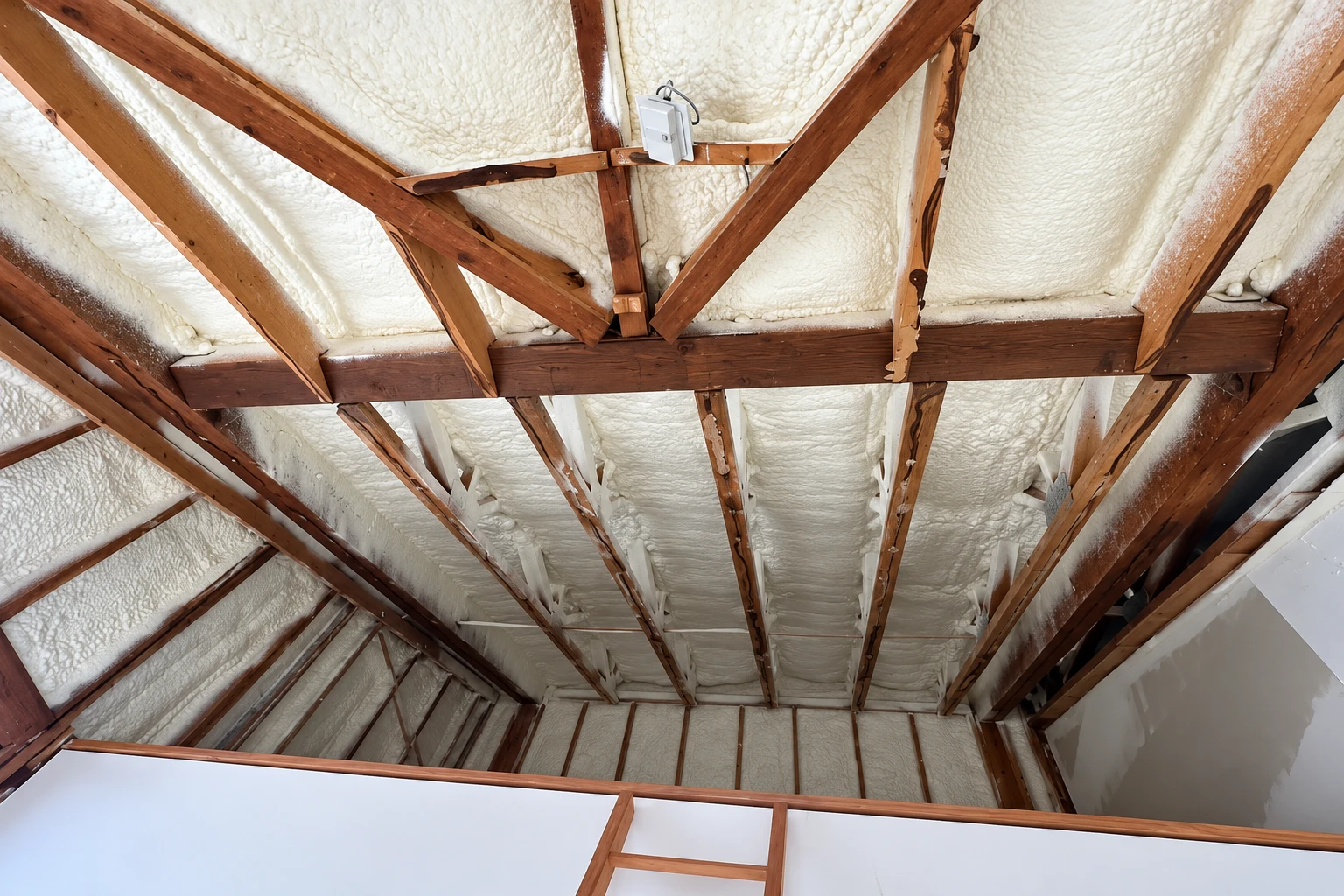
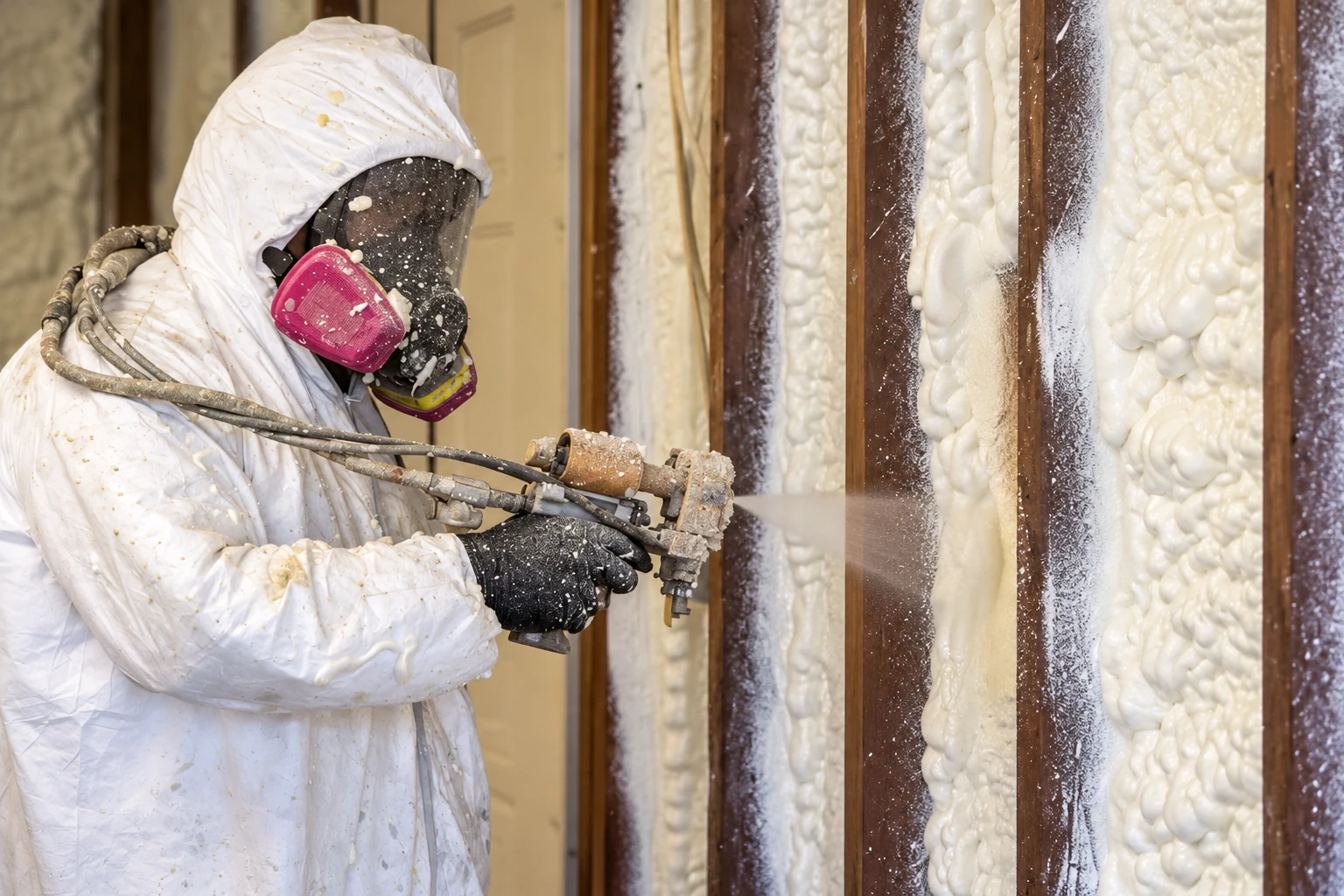
White spray foam seals the underside of a roof between exposed wooden rafters.

Insulating homes and rental buildings in Vallejo

Vallejo is a waterfront city at the north edge of the Bay Area, and it's an easy drive from our base in Vacaville. The calls from Vallejo sound like the ones we get across the area. A bedroom upstairs that won't cool down, a drafty room over the garage, cold floors over the crawl space, and a power bill that keeps climbing. Property managers call us about their rental buildings too.

We also work next door in American Canyon and down in Richmond, and the houses there need the same thing. Whatever the age of your house, what's already up there decides the job, so I check how many inches you have, whether it's clean and dry, and where air is getting through before I suggest anything.

Insulation services we offer in Vallejo

In Vallejo we handle the same range of work we do across the cities around Vacaville, from sealing and topping up attics to clearing out old insulation and closing up crawl spaces. Every job starts with me in your attic or under your floor, because what's already there decides what we do first. Most houses need sealing before anything else, and some need old material removed before new goes in. The cards below cover each service and when it fits.

  • Spray foam insulation

    Spray foam makes sense when ductwork runs through the attic or a space is too tight for loose fill, because it seals air and insulates in one pass. It costs more, so I'll tell you at the estimate whether your house is one that needs it.

    Explore service
  • Attic insulation

    Most calls about a hot upstairs or a high power bill trace back to the attic, where the old layer is often thin or packed down. We seal the gaps first, then bring the attic up to an even depth from wall to wall.

    Explore service
  • Blown-in insulation

    Blown-in insulation, loose fill sent through a hose, is how we usually top up an attic that already has some coverage. We keep the eave vents clear and fill the edges as deep as the middle.

    Explore service
  • Home insulation

    When several rooms feel off, we look at the attic, walls and crawl space together before deciding what goes first. Then we start with the fix that does the most for what it costs.

    Explore service
  • Insulation removal

    Insulation that got wet or filled up with droppings has to come out before anything new goes in, or the problem stays in the house. We vacuum it out, bag it and leave the attic floor clean.

    Explore service
  • Crawl space insulation

    Cold floors usually mean the space under the house was never insulated or the batts have sagged and fallen. We fit insulation between the floor joists and hold it in place so it stays put.

    Explore service
  • Wall insulation

    Older walls are sometimes empty or only partly filled, which leaves one side of the house feeling drafty. We fill the cavities through small holes and patch them when we're done.

    Explore service
  • Air sealing services

    Drafts come through gaps you can't see, around pipes, wires and outlets, and more insulation won't stop them. Air sealing means closing those gaps with foam and caulk before we insulate, so the house stops leaking air.

    Explore service
  • Basement insulation

    Where a house has a basement, its walls are often the coldest surface in the home. We insulate them with materials that hold up to moisture, so the room feels like part of the house.

    Explore service
  • Closed-cell foam insulation

    Closed-cell foam, a dense foam that blocks moisture, suits damp spots like crawl space walls and rim joists. It's one of the pricier options, so we use it where moisture is the real problem.

    Explore service
  • Open-cell foam insulation

    Open-cell foam is softer and lighter, and it fits rooflines and walls where air leaks and noise bother you more than moisture. We'll compare it with closed-cell foam on your estimate.

    Explore service
  • Commercial insulation

    Property managers call us about rental units and buildings where tenants complain about hot or drafty rooms. We plan the work around the people using the building and keep the mess contained.

    Explore service
  • Crawl space vapor barrier

    A bare dirt crawl space lets ground moisture rise into the floor framing and the rooms above. We lay a heavy plastic barrier over the ground and up the walls, with the seams taped.

    Explore service
  • Vapor barrier installation

    A vapor barrier keeps damp air from soaking into insulation, where wet material stops doing its job. We put it on the correct side of the insulation for where it sits in your house.

    Explore service
  • Attic air sealing

    Gaps around can lights, pipes and the attic hatch pull attic air straight into your rooms. We seal them before any insulation goes down, because it's the step that gets skipped most often.

    Explore service
  • Retrofit insulation

    Adding insulation to a finished house means working around what's already there without tearing out walls. We pick the method that fits each space, whether that's blown-in, foam or batts.

    Explore service

Working in Vallejo: permits, pricing and what to plan for

Two things shape the plan before we start a job in Vallejo, what the city asks for and what's already in your attic or crawl space. Here's how we handle both.

Permit questions start with the City of Vallejo

Permit questions for work on your home go to the City of Vallejo, and the city's Central Permit Center is its starting point for them. You'll find the city's offices and services on the City of Vallejo website. If your job needs a permit, the start date waits on it, so we sort that out before we put you on the schedule.

When a job needs a permit, we apply for it and set up the inspection ourselves, so you're not the one going back and forth with the city. At the estimate, I'll tell you how permits work for your particular job. We're licensed and insured, and that's the same in Vallejo as anywhere else we work.

  • The Central Permit Center is the city's starting point for permit questions.
  • We apply for the permit and book the inspection when one's needed.
  • A permit can push the start date, so we plan for it early.

What moves the price and the schedule

Price comes down to the size of the space, what's up there now and how much has to happen before new insulation goes down. Wet or dirty material has to come out first. Lots of gaps around lights and pipes means more sealing. Foam costs more than loose fill, and a low roof or a tight hatch slows the crew down.

The schedule turns on the same things. Removal adds a step before anything new goes in, a permit adds a wait, and foam means the house has to be empty for a while. Once I've seen the attic, I'll tell you what the job involves, put it in a written estimate, and we'll pick a day that works for you.

  • How many inches are already up there, and whether it's clean.
  • Gaps to seal around lights, pipes, wiring and the attic hatch.
  • Foam or loose fill, and whether old material comes out first.

Get a free written insulation estimate for your Vallejo home

Call (707) 452-3285 or send the form, and we'll reply within one business day to set a time. I come out to your Vallejo home myself, look at the attic and crawl space, and give you a written estimate for free. There's no obligation, and if your house needs less than you expected, I'll tell you that.

(707) 452-3285

What we usually find in attics and crawl spaces

Most homes we open up around Vallejo and the nearby cities have one or two of the same problems. These are the ones I look for first when I come out for an estimate.

  • Old insulation past its useful life

    Plenty of attics still have the original layer, packed down to a few inches, wet from an old roof leak or full of droppings. Blowing fresh material over that keeps the problem in your house, so we check what's there and pull it out when it has to go.

  • Gaps that insulation can't fix

    Can lights, plumbing pipes, wiring holes and the attic hatch all leave openings into the rooms below. If they stay open, warm or cool air slips right past the insulation, and you keep feeling the draft no matter how deep the layer is.

  • Eave vents buried under insulation

    The vents along the roof edge let the attic breathe. When insulation gets blown over them, damp air stays trapped and shows up as moisture in the framing, so we set baffles at the eaves, small chutes that keep the airway open, before anything goes in.

  • Thin at the edges, deep in the middle

    Older jobs are often piled high under the hatch and thin out toward the outside walls, which is backward because the edges sit right over your rooms. We work out to the eaves first and check the depth across the whole attic.

  • The room over the garage

    A bedroom over the garage has unheated space under its floor and roof above it, so it's usually the worst room in the house. We check the floor, the walls and the ceiling, because the fix is often in more than one place.

What you get when you hire us for insulation

I sold this work, then learned to install it, and we opened in Vacaville in 2017. Here's what that background means for how we handle your house.

We fix the right first thing

I sold energy upgrades for another company before I ever worked in an attic for a living. I saw how easy it is to sell a big job when a house needed something smaller. So when I'm up in your attic, I'm looking for the thing that'll make the biggest difference first, even if it's the cheapest item on the list.

Most of the time that means sealing the gaps and topping up loose fill. Foam costs more because it seals and insulates at once, and it earns that price when your ductwork runs through the attic. If that's not your house, I'll say so. I'd rather lose the sale than talk you into work your home doesn't need.

  • The owner writes every estimate

    I come out to every job myself, go up into the attic and look at what's actually there. You get the estimate in writing, so you can compare it, think it over and ask questions before you decide anything.

  • Checked by me before we finish

    Our installers do the work, and I check it before we call the job done. I look at the depth across the attic, the sealing around the hatch and lights, and whether the eave vents are still clear.

  • Licensed, insured, satisfaction guaranteed

    We're licensed and insured for the insulation work we do, and our promise is simple, satisfaction guaranteed. If something about the job doesn't sit right with you, tell me, and we'll go over it together.

  • Based in Vacaville since 2017

    We opened in Vacaville in 2017 and work across the cities around it, Vallejo included. Call (707) 452-3285 or use the form on this page, and I'll set up a time to come look at your house.

Questions Vallejo homeowners ask about insulation work

These are the questions that come up before an insulation job in Vallejo, plus a few about the city itself. If yours isn't here, call us and ask.

How much does attic insulation cost in Vallejo?

Your cost comes from what's in your attic now, so you get your own figure in a free written estimate after I've looked at it. The biggest choice is foam versus sealing and topping up loose fill, and the sealing route usually costs less. Removing old material and sealing a lot of gaps add to it, as covered above.

How long does insulation work take, and do we have to leave the house?

For air sealing and blown-in insulation you can usually stay home, but for spray foam everyone has to be out until its re-entry time, the point when it's safe to come back, has passed. Kids and pets follow the same rule as you. How long the crew is up there depends on the attic and whether old material comes out first, and I'll tell you at the estimate.

How do I know if my Vallejo attic needs more insulation?

Open the attic hatch and look, and if you can see the tops of the ceiling joists, you probably need more. A hot upstairs, a drafty room over the garage or insulation that looks flat, dirty or damp are other signs. I'll measure what's there when I come out.

Is there a historic district in Vallejo?

Yes, there's a historic district on Mare Island. If your building is on Mare Island, mention it when you call, so we can cover it when we go over permits at the estimate.

What hours is the City of Vallejo open?

The city lists its hours as Monday through Thursday, 8:30 AM to 5:00 PM, and every other Friday during the same hours. Those are the city's general hours, not the posted hours of any one office. When we handle your permit, we deal with the city for you.

How do local agencies in Vallejo send urgent notices?

Agencies within Solano County use an alert system, described on the city's website, to send critical information about things like severe weather, unexpected road closures and evacuations of buildings or neighborhoods. It's a way to get notices, not a rating of any risk to your home.

Service areas

We're based in Vacaville and work in Vallejo and the cities around it, including the ones listed here. If your city isn't on the list, call (707) 452-3285 and ask, because we work in plenty of others nearby.

Ask about your location
(707) 452-3285Get an estimate