
J&S Vacaville Insulation ServicesJ&S Vacaville Insulation Services(707) 452-3285

Insulation Contractor in Winters, CA - Attics Sealed and Insulated in the Right Order

J&S Vacaville Insulation Services is an insulation contractor working in Winters, CA. We seal the gaps first, then insulate attics, walls and crawl spaces for drafty rooms, hot upstairs bedrooms and tired old insulation.

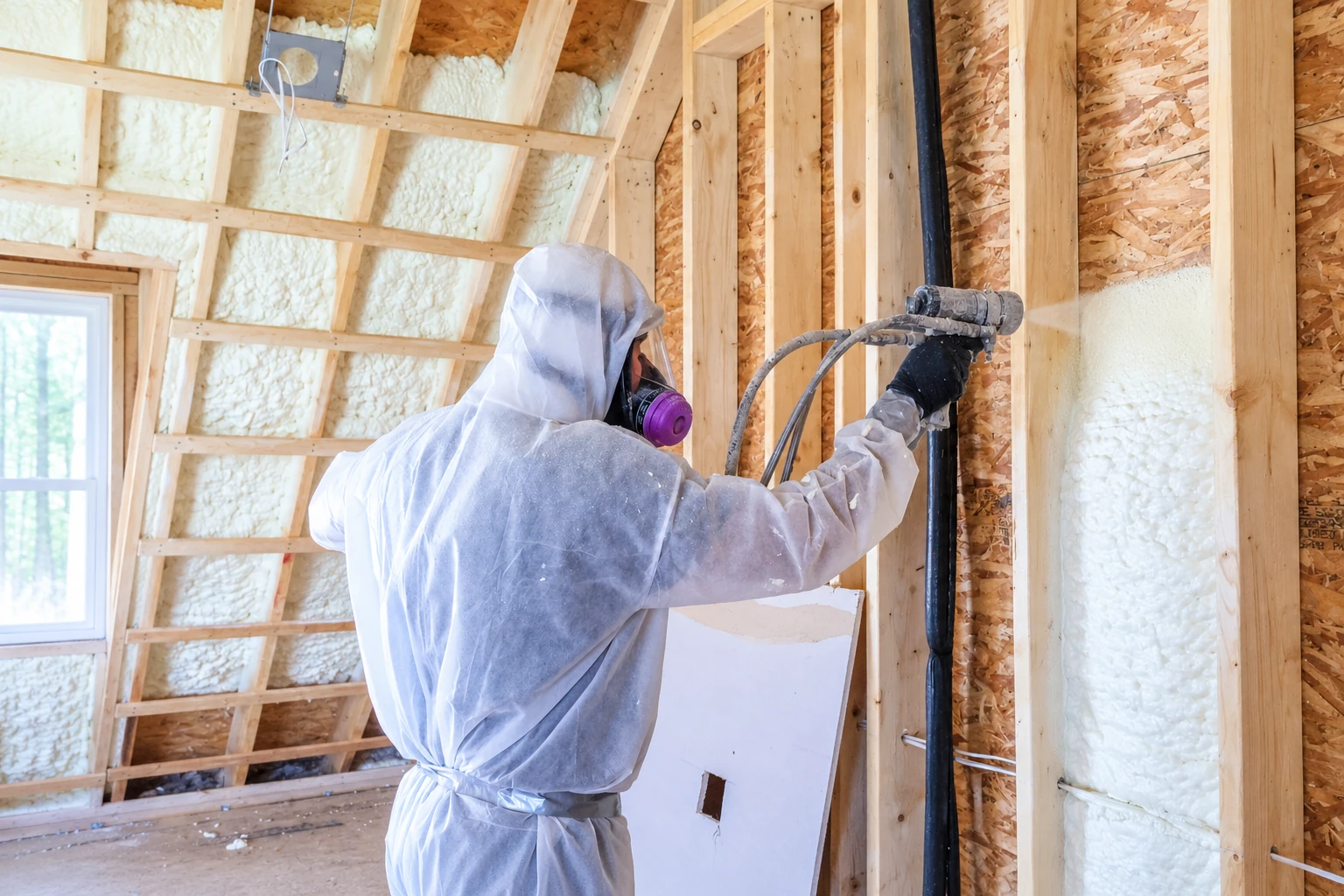
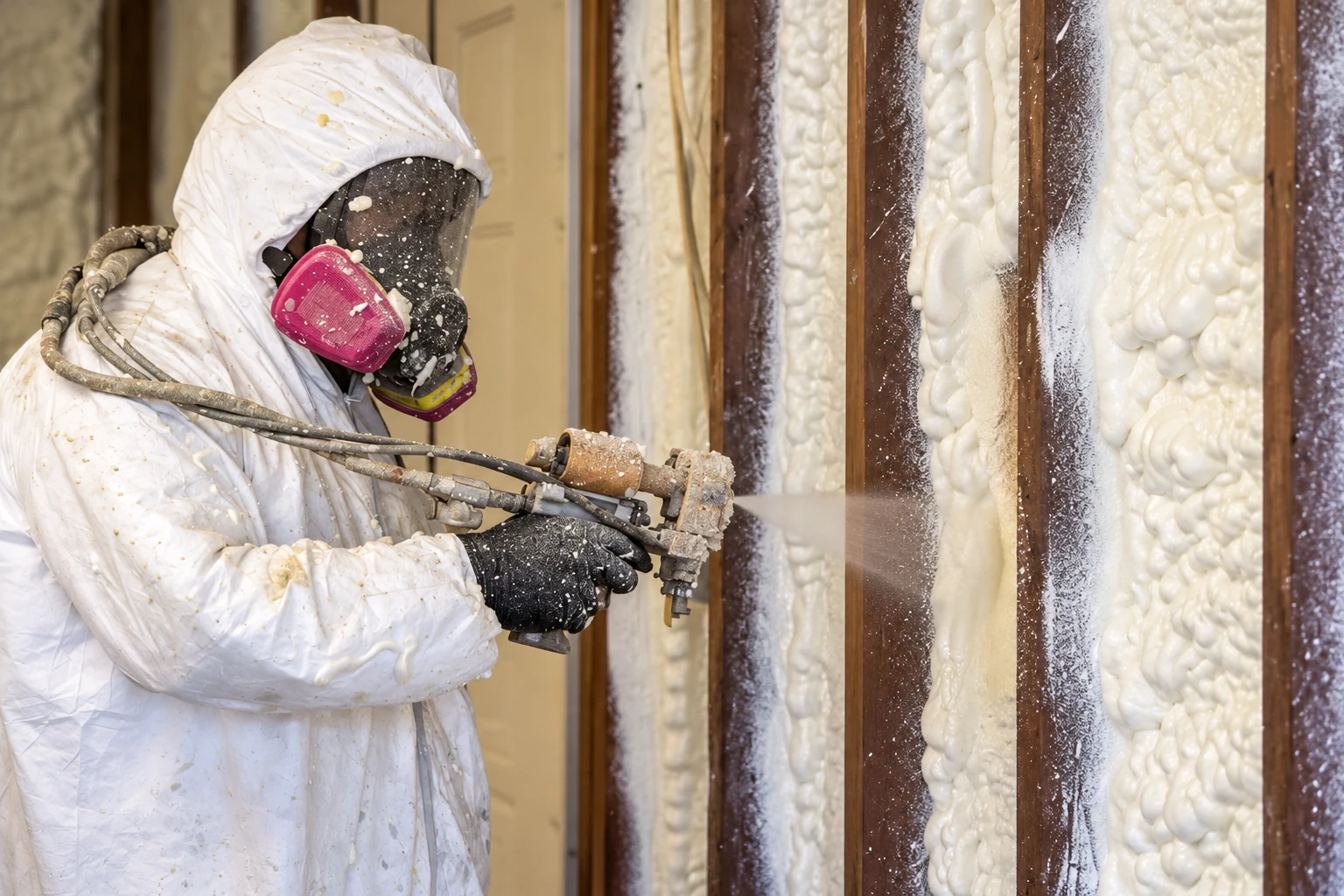
A worker in protective gear sprays foam insulation into an unfinished wall cavity.

Winters houses as we see them from the attic

Winters is a small city, and as an insulation contractor based in Vacaville, CA, we get calls there from older homes and newer ones alike. The older houses tend to be the drafty ones, with insulation that has settled thin over the years, while the newer ones usually need a top-up and some sealing around the hatch and the lights. It's the same work we do in Davis and down in Vallejo.

The age of the house shapes the job more than anything else. An older attic usually means checking what's under the old insulation before anything new goes in, and a newer one usually means sealing the gaps the builder left and evening out the coverage.

Insulation services we offer in Winters

We do the full range of insulation work in Winters, from attics and walls to crawl spaces, foam and pulling out old material. Most jobs start in the attic, because that's where the biggest gaps and the thinnest coverage usually are. I look at the house first and plan the work in order. Anything soaked or dirty comes out, the gaps get sealed, and then the insulation goes in, deep and even right out to the edges. Property managers can call us about their buildings too.

  • Spray foam insulation

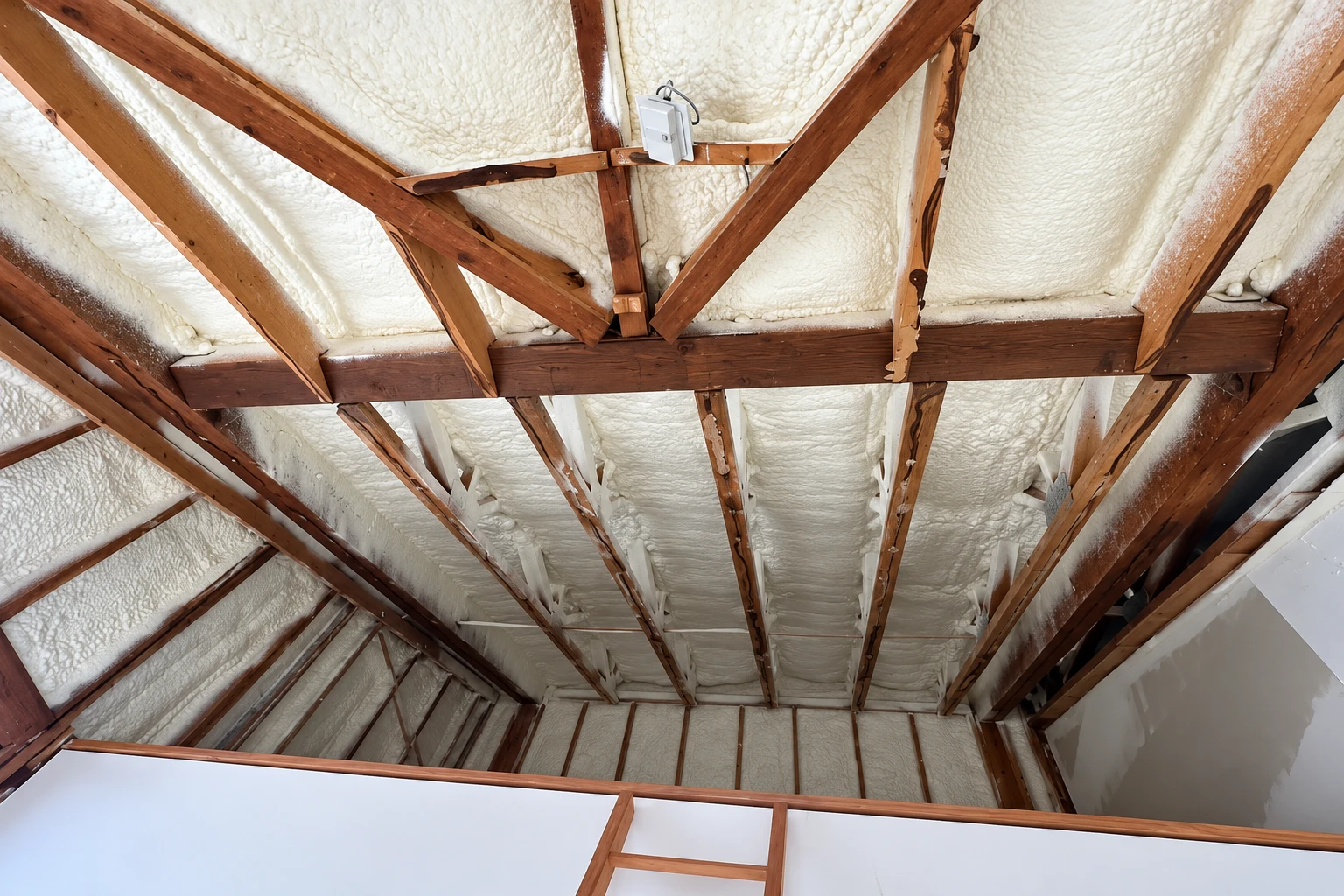
    Spray foam fits the spots loose fill doesn't handle well, like a room over the garage or an attic where the ductwork runs. It costs more, so we'll tell you when sealing and topping up loose fill would do the job instead.

    Explore service
  • Attic insulation

    Most calls from Winters start in the attic, with an upstairs that runs hot or a power bill that keeps creeping up. We check how many inches are already up there, seal the gaps, then add insulation evenly out to the edges.

    Explore service
  • Blown-in insulation

    Blown-in insulation, loose fill sent up through a hose, is the usual way we top up an attic that has settled thin. We keep it clear of the eave vents so the attic can still breathe.

    Explore service
  • Home insulation

    When the whole house feels drafty, we walk through it with you and find where the heat is getting in and out before we suggest anything. Sometimes that's just the attic, and sometimes it's the walls and floors too.

    Explore service
  • Insulation removal

    If the old insulation is soaked, matted or full of droppings, putting new material on top just buries the problem. We bag it out, clean up the attic and start fresh.

    Explore service
  • Crawl space insulation

    Cold floors in a raised house usually point to a crawl space where the insulation has sagged or fallen down. We put the floor insulation back up and hold it in place so it stays there.

    Explore service
  • Wall insulation

    Outside walls in older houses are sometimes empty, so the rooms along them stay cold whatever the thermostat says. We can usually fill them through small holes we patch afterward, without tearing out the inside walls.

    Explore service
  • Air sealing services

    Gaps around pipes, wiring and the attic hatch let air move right through your insulation. Air sealing, closing those gaps before we insulate, is the first step on nearly every attic we work on.

    Explore service
  • Basement insulation

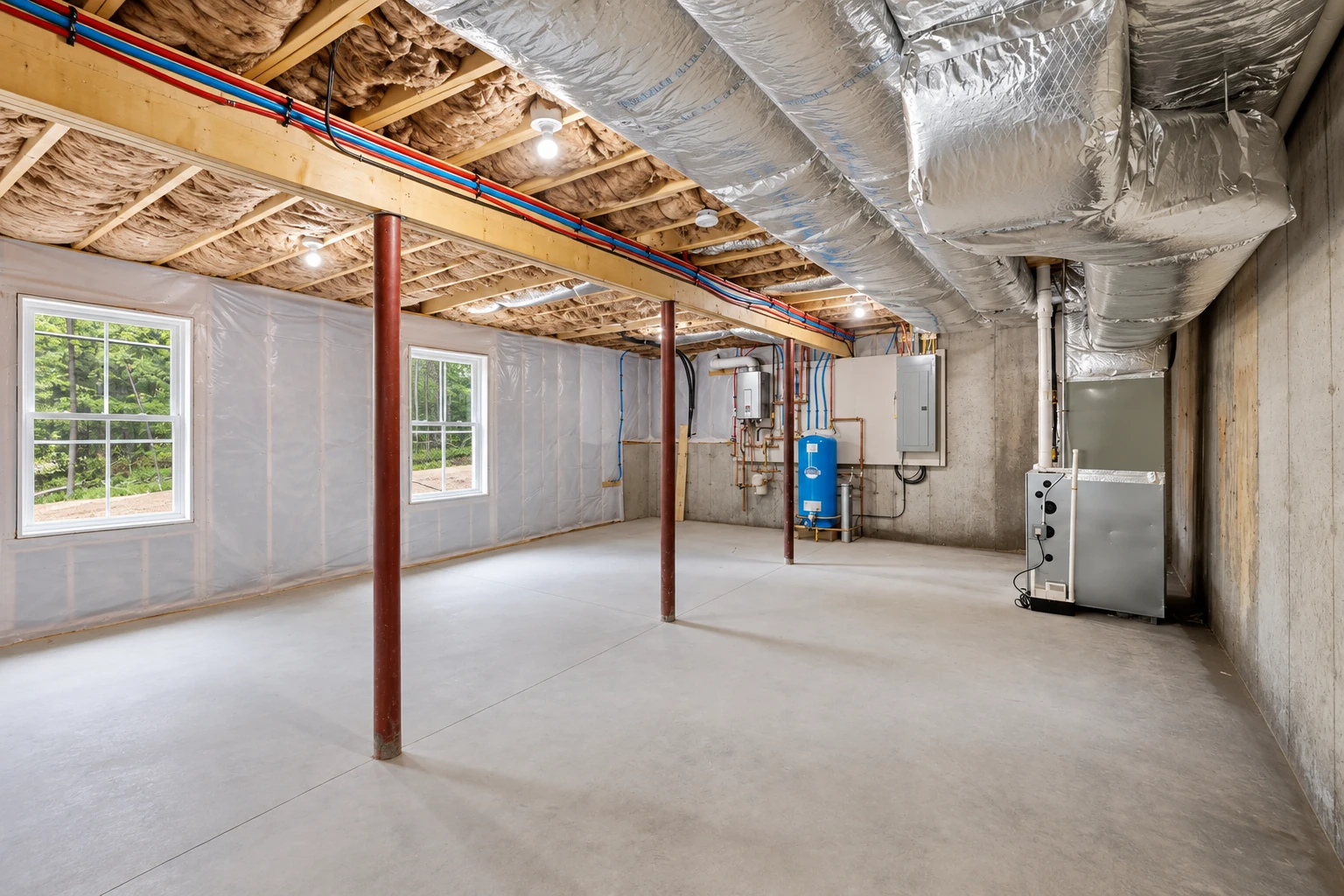
    When a Winters house has a basement or a below-grade room, cold walls and a damp smell are the usual complaints. We look at the moisture first, because insulation over a wet wall just traps it.

    Explore service
  • Closed-cell foam insulation

    Closed-cell foam, a dense foam that also blocks moisture, suits rim joists and spots under floors that stay damp. It's the pricier choice, so we use it where moisture is the real issue.

    Explore service
  • Open-cell foam insulation

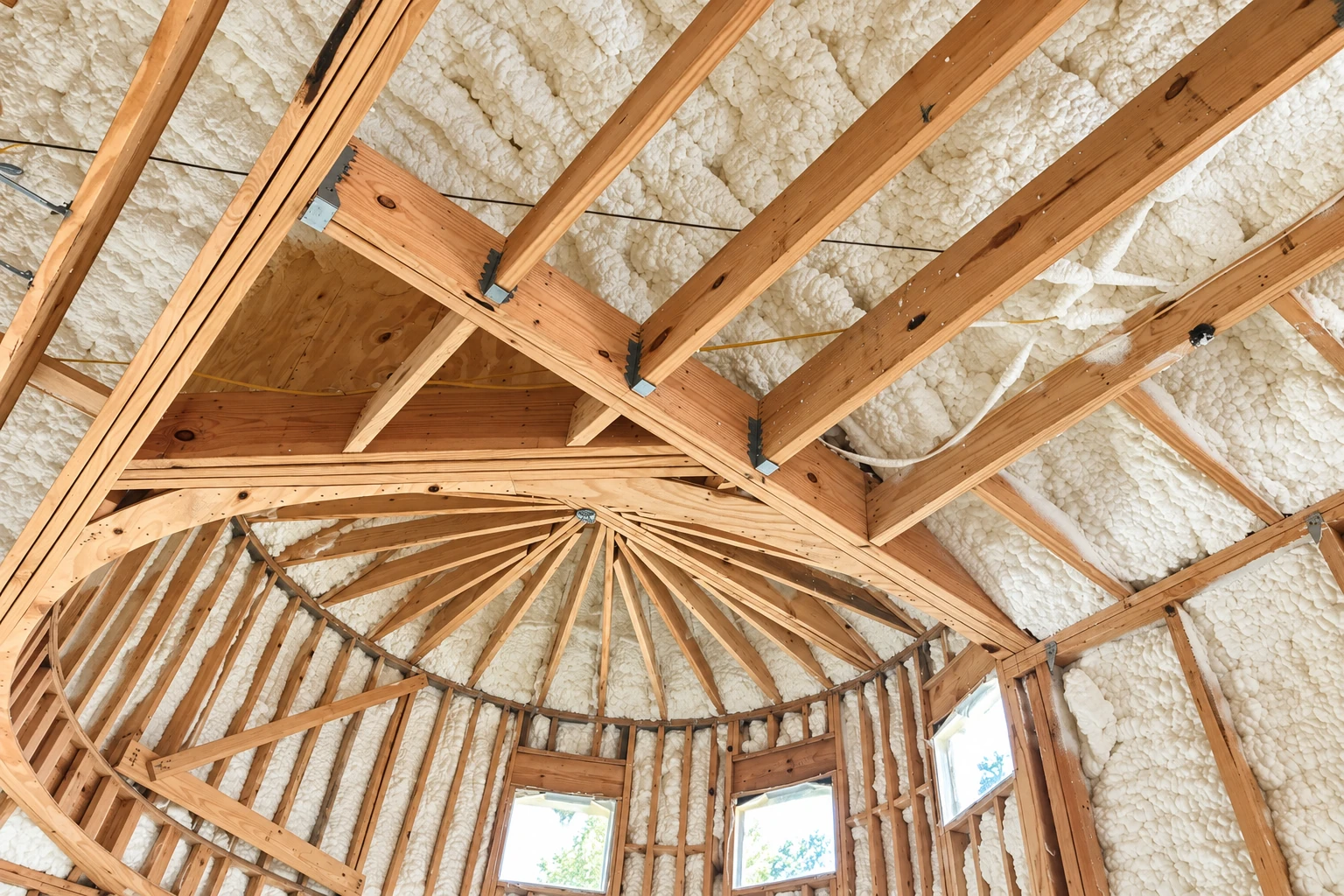
    Open-cell foam is softer and lighter, and it fills odd-shaped rooflines and walls where batts leave gaps. It seals air well but doesn't stop moisture, so we keep it to dry spaces.

    Explore service
  • Commercial insulation

    Property managers call us about offices, shops and rental buildings with rooms that won't stay comfortable. We look at the building first, then plan the work around your tenants.

    Explore service
  • Crawl space vapor barrier

    Bare dirt under a raised floor gives off moisture that ends up in the framing and the insulation above it. We lay a vapor barrier over the ground so the crawl space stays drier.

    Explore service
  • Vapor barrier installation

    A vapor barrier keeps moisture from moving into walls, ceilings and floors where it can soak the insulation. We check where your house actually needs one, since the wrong layer in the wrong place can trap water instead.

    Explore service
  • Attic air sealing

    Can lights, plumbing stacks and the hatch are the usual leaks between your rooms and the attic. We seal them from above before any new insulation goes down, so it isn't fighting a draft.

    Explore service
  • Retrofit insulation

    Retrofit insulation means adding insulation to a house you already live in, which is most of the work we do. We plan it so the mess stays where we're working and the rest of the house stays livable.

    Explore service

Working in Winters: permits, licenses and what moves your price

Here's who signs off on permits in Winters, what to check about whoever you hire, and what drives your price and start date. It's the same ground I'd cover with you at the estimate.

Permits and licenses for work in Winters

In Winters, building permits come from the city's Building and Code Enforcement Division, which also reviews plans and inspects the work. The city wants a permit in hand before work starts, so when your job needs one, the start date waits on it. When that's the case, we apply for the permit and set up the inspection ourselves, so you aren't chasing paperwork.

Two things are worth checking about anyone you hire. The first is a California contractor's license from the state licensing board. The second is a current City of Winters business license, which every contractor and subcontractor working in the city has to carry. Those renew every year and run out on December 31, so ask to see this year's, not last year's.

  • City permits and inspections go through the Building and Code Enforcement Division.
  • A required permit has to be issued before our crew starts.
  • Check for a state contractor license and this year's city business license.

What moves the price and the start date

The price comes down to what's already in your attic: how many inches are up there, whether the old material is clean or has to come out, how many gaps need sealing, and how easy it is to get in and move around. Foam costs more than loose fill, so the material that suits your house moves the number too.

The schedule turns on the permit, when one is needed, and on whether old insulation has to come out, since removal and cleanup come before anything new goes in. I come out to look at every job myself and write the estimate, and you get it in writing, so you know what you're paying for before anyone climbs into the attic.

  • Old insulation that's soaked or full of droppings comes out first.
  • Sealing gaps and topping up loose fill usually costs less than foam.
  • Ductwork in the attic is the usual reason foam earns its price.

Get a free written insulation estimate for your Winters home

We reply within one business day, then I come out to your house in Winters, look at the attic and anything else you're asking about, and write up the estimate. It's free and there's no obligation, so take it, think it over, and call us if you want to go ahead.

(707) 452-3285

What we look for on Winters houses before we quote

Every house is different, but the same few things decide most insulation jobs here. These are what I check in the attic and the crawl space before I write anything down.

  • Insulation that's settled thin

    Older houses usually have insulation that has packed down over the years, and some has been pushed aside by past repairs. We look at how many inches are really there across the whole attic, because a deep spot by the hatch can hide thin coverage out at the edges.

  • Gaps around lights and pipes

    Can lights, plumbing stacks, wiring holes and the attic hatch let air from your rooms pour into the attic. If those stay open, new insulation just sits in a draft, so we seal them first and insulate after.

  • Eave vents buried under insulation

    When insulation gets piled against the eaves, it blocks the vents that let the attic breathe, and moisture can start showing up in the framing. We keep those vents clear while still carrying insulation out to the outside walls, where coverage is usually thinnest.

  • The room over the garage

    A bedroom or office over the garage is one we hear about a lot, because it sits over an unheated space with little in the floor. We check that floor and the walls around the room, since that's usually where the heat is going.

  • Ductwork and raised floors

    Ducts running through the attic and raised floors over a crawl space both change what's worth doing. Ducts up top can make foam worth its higher price, and a crawl space with fallen insulation or bare dirt usually needs attention before the floors feel warmer.

Why it's worth having us look at your attic first

I sold insulation before I ever installed it, and I saw how easy it is to sell the bigger job. Here's how we work instead, on every house we look at.

Sealing first, then insulation, in that order

Most drafty houses don't need everything at once. If air is moving through gaps around lights, pipes and the hatch, piling more insulation on top won't stop it, so we seal those first and then insulate. Doing it in that order is what we're best known for, and it usually costs less than the big job someone else might try to sell you.

I'd rather lose the sale than talk you into work your house doesn't need. If sealing and topping up loose fill will handle it, that's what I'll write up, and I'll tell you plainly why foam isn't worth it on your attic. When the ductwork lives up there, the answer can change, and I'll explain why.

  • The owner writes every estimate

    I come out to look at every job myself, Winters included, and I write the estimate. You get it in writing, so you can set it next to anyone else's and see exactly what each of us would do.

  • I check the work before we finish

    Our installers do the work, and I check it before we wrap up. I'm looking for the things that go wrong on insulation jobs, like thin edges, buried vents and gaps nobody sealed.

  • Permits handled for you

    When a job needs a permit, we apply for it and set up the inspection ourselves. At the estimate I'll tell you how permits work for your job, so you know where things stand before we start.

  • Licensed, insured, since 2017

    We're licensed and insured, and we've been doing this work since 2017. Satisfaction guaranteed. If you want us to look at your attic, call (707) 452-3285 or send the form on this page.

Questions about insulation work in Winters, answered

These are the questions Winters homeowners usually ask before an insulation job, about permits, licenses, cost and timing. If yours isn't here, call and ask me directly.

Do I need a building permit to insulate my attic in Winters, CA?

The city's own lists don't settle it for insulation, so it's worth asking before work starts. The city requires a permit before a building is built, enlarged, altered, removed, demolished or repaired, and its building permit FAQ names other jobs, like water heater change-outs and re-roofs, as ones that can be issued over the counter when no plan check is needed. At the estimate we'll tell you how permits work for your job.

Does a small insulation job in Winters need a licensed contractor?

Usually, yes. The Contractors State License Board requires a license when a job needs a building permit, uses any additional workers, or costs $1,000 or more in total. Only a job under $1,000 with no permit, no employees and no licensed-contractor advertising can go without one, so any job done by a crew needs a licensed contractor.

Which building code does the City of Winters enforce?

Winters enforces the 2025 California Building Code, which took effect on January 1, 2026, the same date the state put it into effect. That's the code the city holds new permitted work to.

How much does attic insulation cost in Winters?

There's no set price, because it turns on what's already in your attic and what your house needs. The big factors are how many inches are up there now, whether the old material has to come out, how many gaps need sealing, and whether loose fill will do or foam makes sense. I'll come out, look and give you the estimate in writing.

What causes one room in my Winters house to stay hotter or colder than the rest?

Usually it's thin or missing insulation around that room, plus air leaking in through gaps you can't see. Rooms over a garage are the common case, because the floor sits over an unheated space and often has little insulation in it. We check the floor, the walls and the attic above before suggesting anything.

How long does an insulation job take in Winters, and when can we go back in the house?

It turns on the attic's size, the material and whether old insulation comes out first, and I'll tell you what to expect at the estimate. With blown-in loose fill you can usually stay home while we work. With spray foam, you, the kids and the pets stay out until the re-entry time, the wait the foam maker sets before you can come back in, has passed.

Service areas

Besides Winters, we work in Vacaville, where we're based, and in cities around it like Dixon, Davis, Woodland, Fairfield and Vallejo. If your city isn't listed here, call (707) 452-3285 and ask.

Ask about your location
(707) 452-3285Get an estimate