
J&S Vacaville Insulation ServicesJ&S Vacaville Insulation Services(707) 452-3285

Insulation Contractor in Dixon, CA - Attics Sealed and Insulated in the Right Order

J&S Vacaville Insulation Services is an insulation contractor based in Vacaville, and we work in Dixon on attics, crawl spaces and walls, sealing the air leaks first and then adding insulation where your house actually needs it.

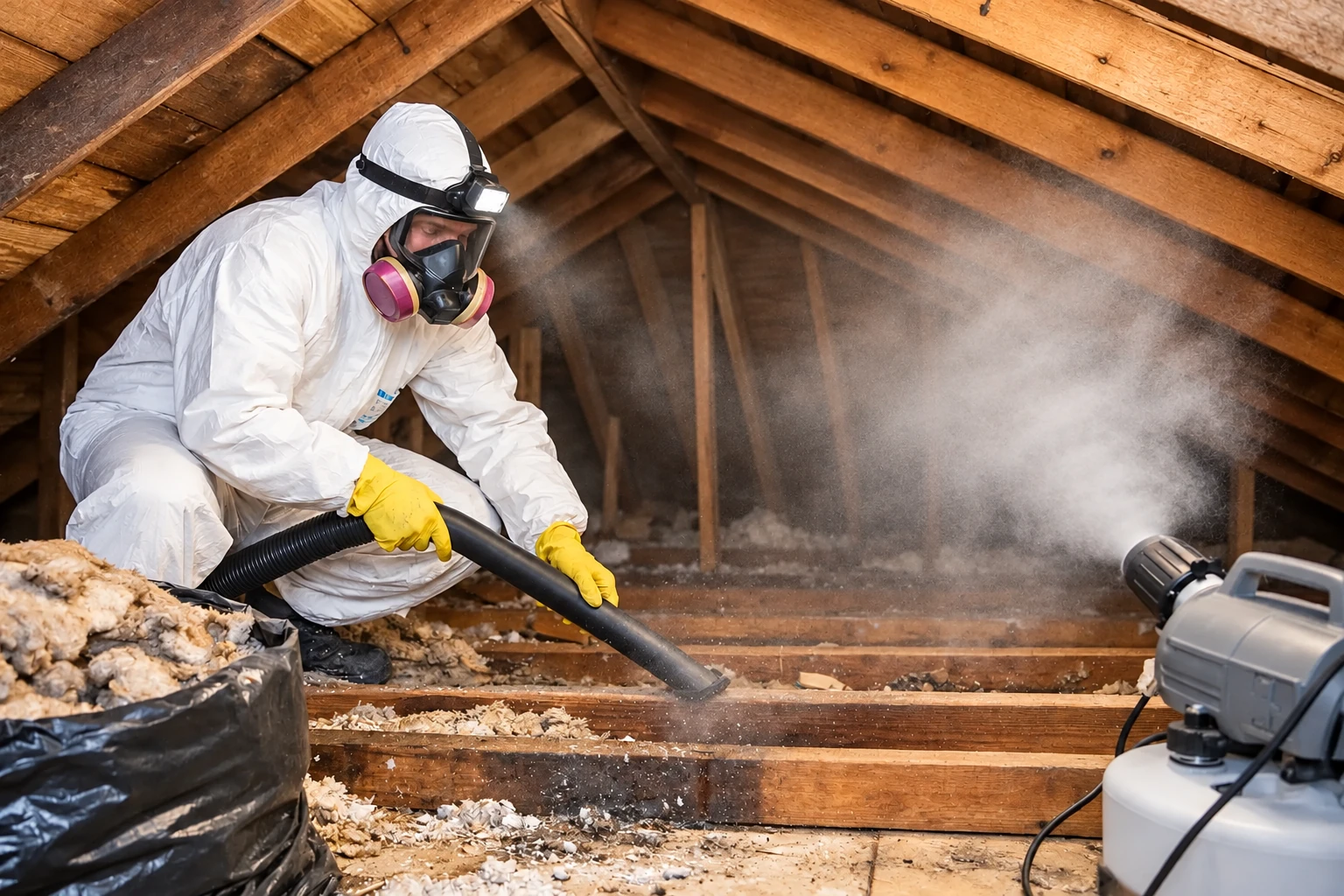
A worker in protective gear vacuums loose attic insulation through a hose, with dust and debris around the rafters.

How Dixon houses look from the attic hatch

Dixon is a short drive down I-80 from our base in Vacaville, and we work there the same way we do in Davis and down in American Canyon. It's a small city with farm country around it, mostly single-family houses with shops and businesses mixed in. The calls from here sound like the ones from everywhere in this part of the valley: the upstairs is hot, a bedroom is drafty, the floors are cold in winter or the power bill keeps climbing.

The houses run from older places where the insulation has settled thin over the years to newer ones built to whatever the code asked for at the time. That age, and whether the ducts run through the attic, decides most of what we recommend.

Insulation and air sealing services we offer in Dixon

We offer every insulation service on our list in Dixon, from attic top-ups and air sealing to crawl space barriers, foam and insulation removal. I come out and look before anything gets planned, because the right first step depends on what's in your attic or under your floor today: how many inches are up there, what shape it's in and where the ducts run. Then our installers do the work in the order that makes it last, sealing first and insulating second, and I check it before we finish.

  • Spray foam insulation

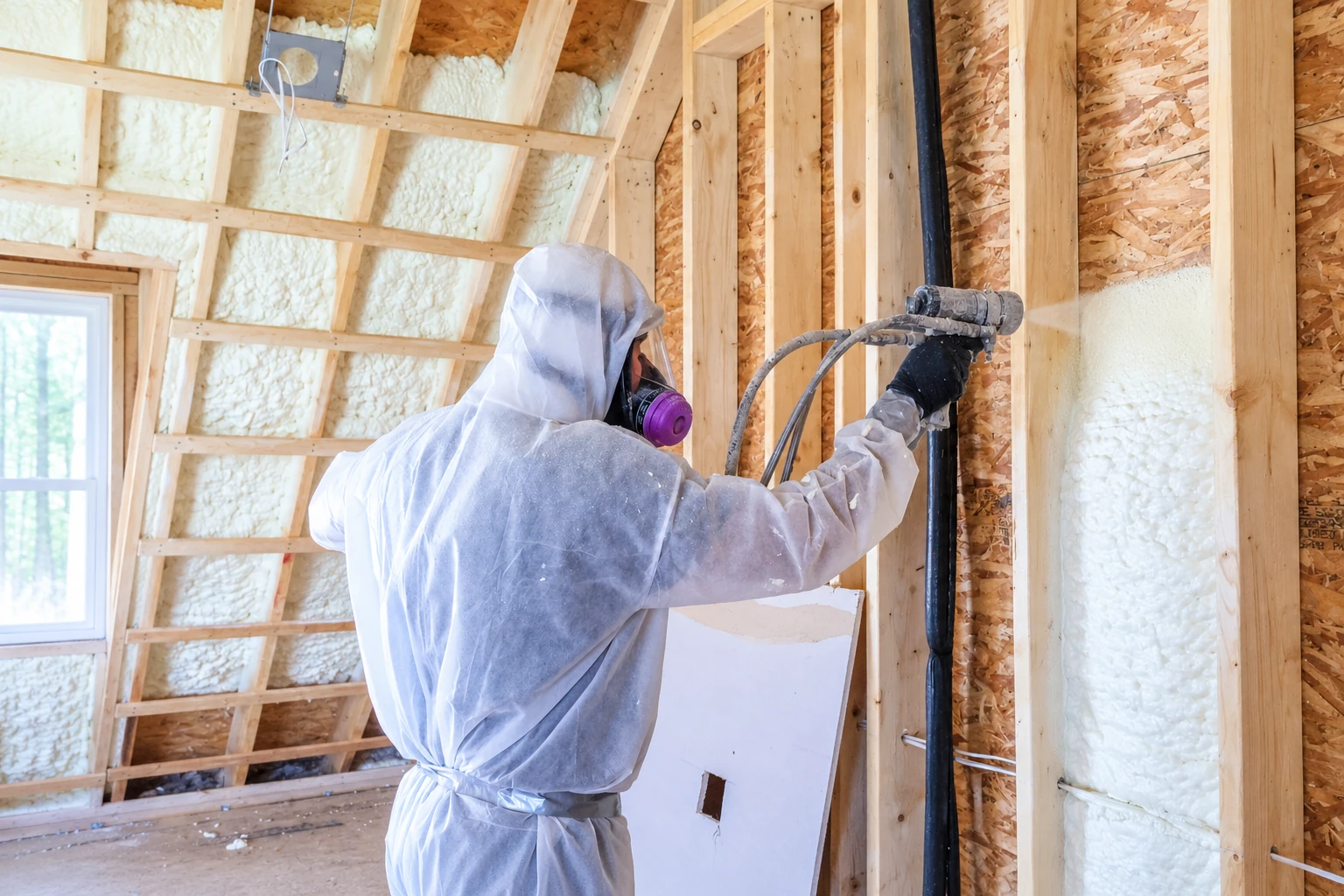
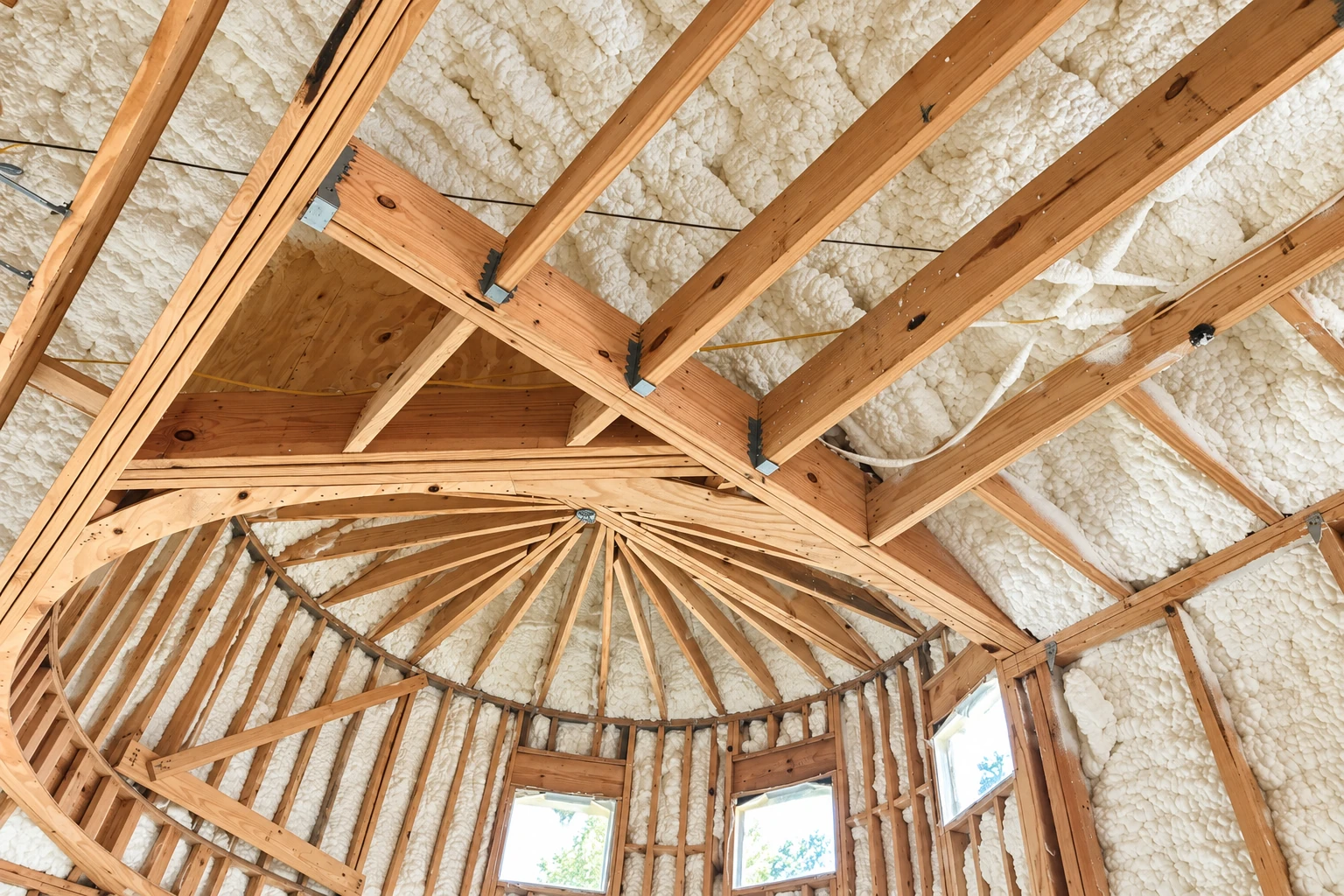
    Spray foam makes sense when the ductwork runs through a hot attic or a space can't hold loose fill. It costs more, so I only recommend it where sealing and insulating in one coat is worth it.

    Explore service
  • Attic insulation

    Most hot-upstairs calls end in the attic, where the old insulation has settled thin or was never deep enough to begin with. We seal the gaps first, then bring the depth up evenly, edges included.

    Explore service
  • Blown-in insulation

    Blown-in insulation, loose fill blown through a hose, is how we usually top up an open attic. We keep it back from the eave vents so the attic can still breathe.

    Explore service
  • Home insulation

    When several rooms feel off, we look at the attic, walls and floor together before deciding where to start. Usually one area is doing most of the damage, and that's the one we fix first.

    Explore service
  • Insulation removal

    Old insulation that got soaked or filled with droppings has to come out before anything new goes in. Covering it just buries the problem, so we remove it, clean up and start fresh.

    Explore service
  • Crawl space insulation

    Cold floors in winter usually trace back to a crawl space with little or nothing under the subfloor. We insulate between the floor joists and make sure it stays up where it belongs.

    Explore service
  • Wall insulation

    Exterior walls in older houses are sometimes hollow or only partly filled, which you feel as a cold wall in January. We fill them from outside or inside, depending on the siding and the finish.

    Explore service
  • Air sealing services

    A drafty room often has less to do with how much insulation is up there than with where the air gets in. Air sealing, closing the gaps around lights, pipes and wiring, is what stops the draft.

    Explore service
  • Basement insulation

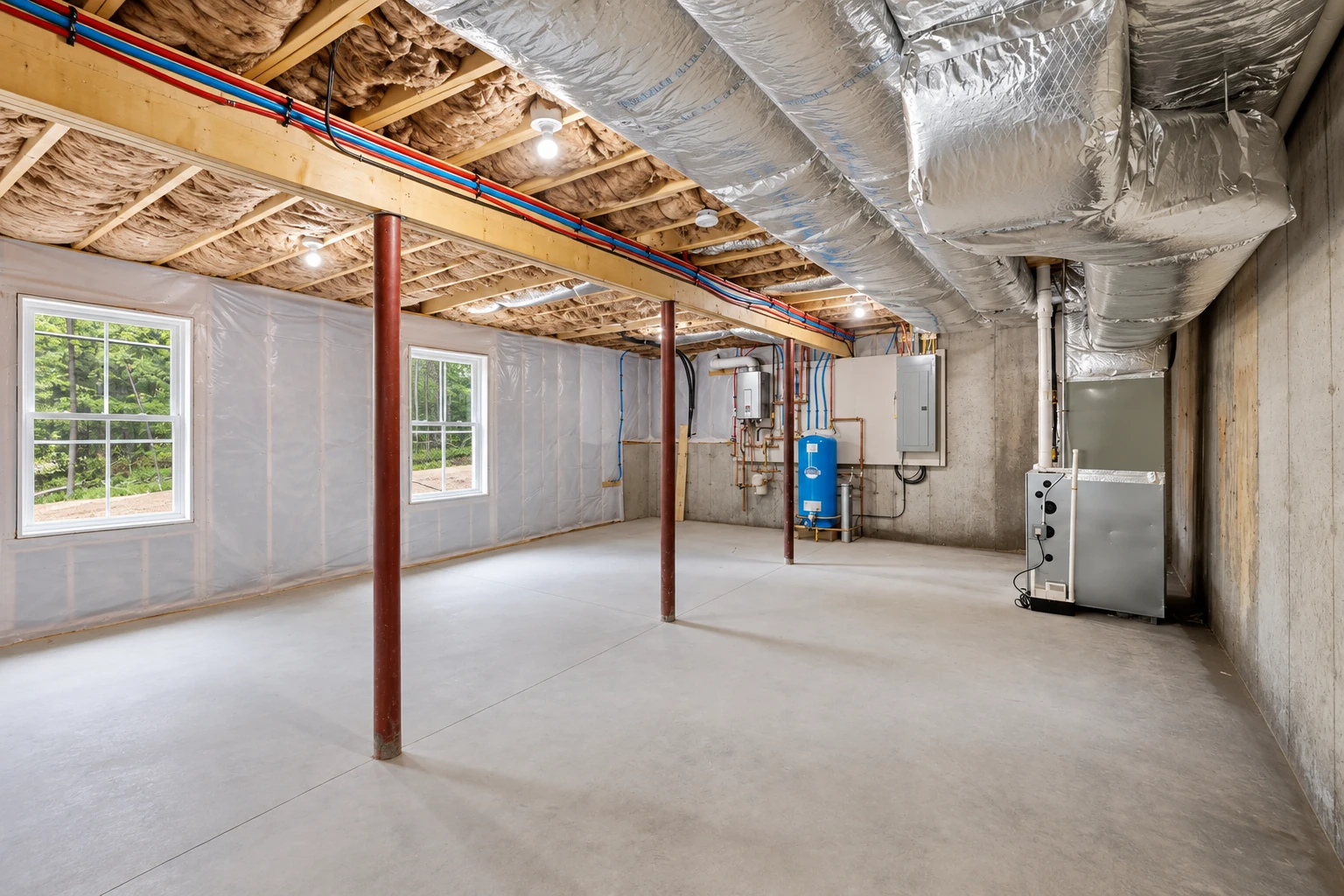
    If your house has a basement or a below-grade room, the walls tend to feel cold and damp. We use materials that can live with that moisture instead of trapping it.

    Explore service
  • Closed-cell foam insulation

    Closed-cell foam, a dense foam that also blocks moisture, fits rim joists, crawl spaces and walls that see damp. It's the priciest option, so we use it where that moisture resistance matters.

    Explore service
  • Open-cell foam insulation

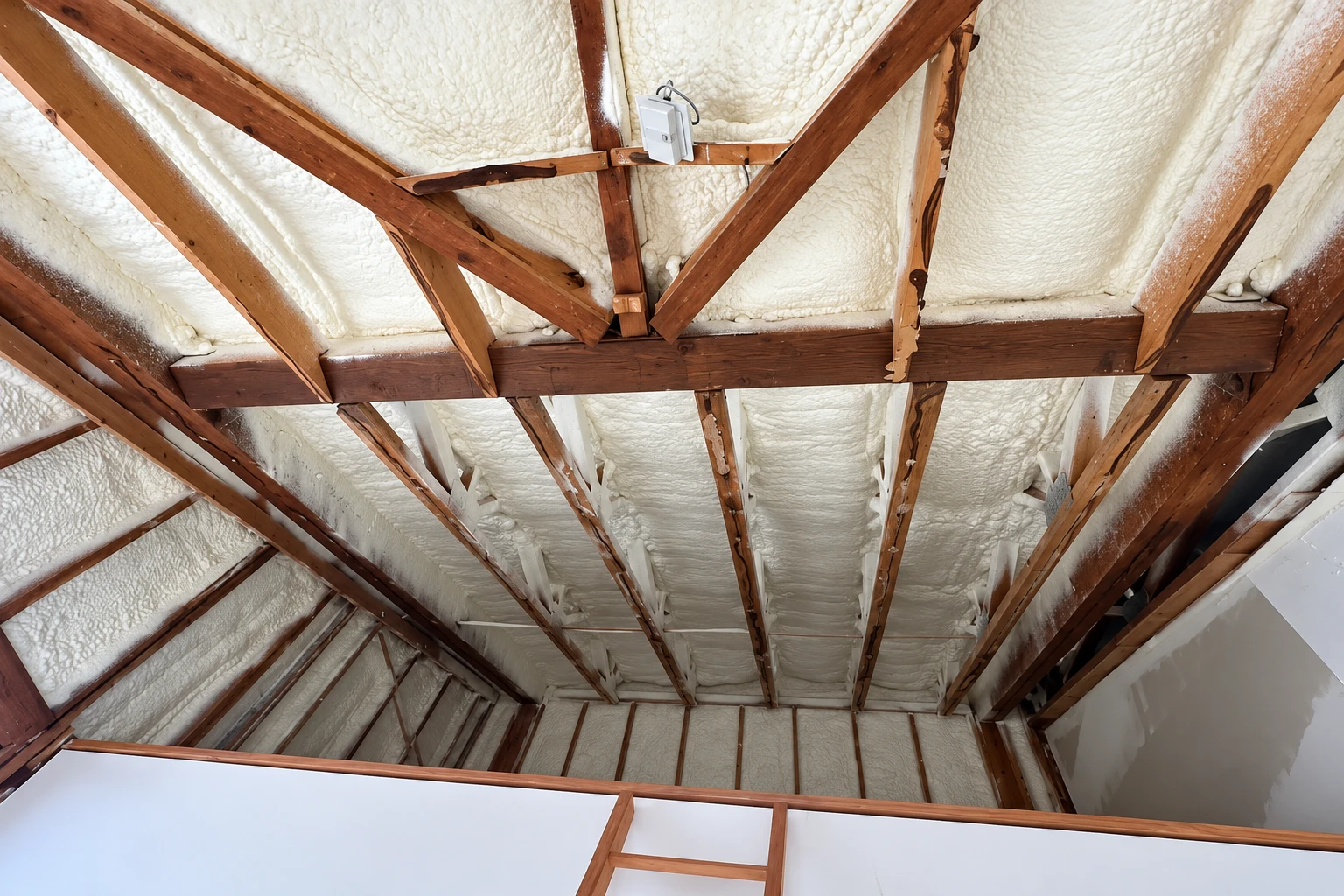
    Open-cell foam is lighter and softer, and it works well sealing and insulating the underside of a roof when the ducts live in the attic. It also quiets noise between rooms.

    Explore service
  • Commercial insulation

    Property managers call us about offices, shops and rental buildings where tenants complain about hot or cold spaces. We plan the work around your tenants and your business hours.

    Explore service
  • Crawl space vapor barrier

    Bare dirt in a crawl space gives off moisture all year, and it ends up in the floor framing and the insulation. A sealed vapor barrier over the ground keeps that damp down where it started.

    Explore service
  • Vapor barrier installation

    In walls and ceilings, a vapor barrier keeps moist air from reaching cold surfaces where it can condense. We'll tell you whether your house needs one, because in the wrong spot it traps water instead.

    Explore service
  • Attic air sealing

    Before we add insulation to an attic, we seal the hatch, the can lights and the pipe holes from above. Skip that step and the new insulation just filters a draft.

    Explore service
  • Retrofit insulation

    Retrofit insulation means adding to a finished house without tearing it apart, like filling closed walls or topping up an attic. We work through small openings and patch them when we're done.

    Explore service

Working in Dixon: permits, licenses and what sets the price

Dixon has its own permit office and its own business license, so a few things are worth sorting out before anyone climbs into your attic. Here's how permits, licenses and pricing work for insulation jobs here.

Who handles permits and what to check

In Dixon, the city's building division takes permit applications, and you can email questions to buildingdivision@cityofdixonca.gov. The city's published permit lists cover structures like sheds and attached additions, not insulation, so whether your job needs a permit is worth settling before work starts. When one is needed, the permit and the inspection set the schedule more than our crew does.

Two things are worth checking on any contractor. The city requires anyone submitting permit applications to hold an active California contractor's license and a current City of Dixon business license. We're licensed and insured, and when a job needs a permit, we apply for it and set up the inspection ourselves, so you're not chasing paperwork between our visits.

  • Ask any insulation contractor for their state license before you sign.
  • Ask whether they hold a current City of Dixon business license.
  • At the estimate, I'll tell you how permits work for your job.

What moves the price and the schedule

Price on an insulation job turns on what's already up there. I look at how many inches you have, whether it's settled or damaged, how many gaps need sealing and how hard the attic is to move around in. Old material that's soaked or full of droppings has to come out first, and that adds a step and a cost.

The material matters too. Foam costs more and seals air while it insulates, so I recommend it mainly when the ductwork lives in the attic. Otherwise, sealing the gaps and topping up with loose fill usually wins. The schedule depends on removal, any permit and, with foam, the wait before you can go back inside, and it's all in your written estimate.

  • Inches of insulation already in the attic, and what shape it's in
  • Whether old insulation has to come out before anything new goes in
  • Foam or loose fill, and whether your ducts run through the attic

Get a free on-site insulation estimate for your Dixon home

Tell us about the hot room, the drafty spot or the cold floor, and ask how permits apply to your job. We reply within one business day to set a time, then I come out to your Dixon house, look at the attic or crawl space myself and give you a written estimate. It's free, and there's no obligation.

(707) 452-3285

What we find in Dixon attics and crawl spaces

Most of what drives an insulation job here is the age of the house and what's been done to it since. These are the conditions I look for when I come out, and what each one means for your job.

  • Hot rooms upstairs and over the garage

    Summer afternoons push a lot of heat into the attic, and the rooms right under it, plus the room over the garage, take the worst of it. When those rooms stay hot after the AC has run all day, the attic is usually short on insulation, leaking air, or both.

  • Old insulation settled thin

    In older houses, the insulation up there has often packed down to a few inches over the years. I measure what's actually there before writing anything, because a house that only needs a top-up shouldn't be sold a full tear-out.

  • Ductwork in the attic

    When the ductwork runs through the attic, cooled air travels through the hottest part of the house before it reaches your rooms. That changes the math, and it's the main case where foam on the underside of the roof can be worth its higher cost.

  • Gaps around lights, pipes and the hatch

    Drafts often come through gaps you can't see from the hallway: around can lights, plumbing vents, wiring holes and the attic hatch. Sealing those first matters, because insulation laid over an open gap keeps fighting a draft and never does its job.

  • Cold floors over crawl spaces

    Houses with a crawl space can have cold floors in winter when there's little or no insulation under the subfloor. We check for damp ground and droppings down there before adding anything, so the new insulation stays dry and stays in place.

Why hire us for insulation in Dixon

We opened in Vacaville in 2017, and we're best known for attics, with the sealing and the insulation done in the right order. Here's what that looks like when we take on a job in Dixon.

I look in the attic myself before I quote

I sold energy upgrades before I ever worked in an attic, and I saw how easy it was to sell a big job to a house that needed something smaller. That's why I come out to every job myself and write the estimate after I've been up there. If your attic needs sealing and a top-up, that's what I'll write down.

Our installers do the work, and I check it before we finish. Sealing comes first and insulation second, because doing it the other way buries the gaps you were trying to close. If the ducts run through your attic, I'll explain why foam might be worth the extra cost, and if they don't, I'll tell you that too.

  • Licensed, insured, satisfaction guaranteed

    We're licensed and insured, and the promise behind every job is satisfaction guaranteed. Ask me about our license at the estimate and look it up before you sign, the same as you should with anyone who works on your house.

  • Old material checked before new

    If the existing insulation is soaked or full of droppings, we'll tell you it has to come out. Laying fresh material over it keeps the smell, the moisture and the pests right where they were, so we remove it and clean up first.

  • Even depth out to the eaves

    Attics often end up deep in the middle and thin along the edges, which is backward, since the edges sit right over your walls. We carry the depth all the way out and keep the eave vents clear so the attic still breathes.

  • Call any day, 7 AM to 10 PM

    We pick up seven days a week, from 7 AM to 10 PM. Call (707) 452-3285 or send the form, tell us what's going on in your house, and we'll set a time for me to come take a look.

Questions about insulation work in Dixon, answered

These are the questions Dixon homeowners tend to ask before an insulation job, from licenses and permits to cost and whether you'll need to leave the house. If yours isn't here, call and ask.

When does an insulation contractor in Dixon need a California state license?

A contractor needs a license from the California Contractors State License Board when the job needs a building permit, uses employee labor, or the contracts add up to $1,000 or more in labor and materials. If any one of those applies to your job, the contractor needs that license. We're licensed and insured, and you're welcome to check before you sign.

How are building permits submitted in Dixon, CA?

Permits in Dixon go through the city's online system, Dixon Civic Access, unless special arrangements are made ahead of time, and the city's permits page explains it. Fees can be paid by card in the portal, by mailed check, or in cash or card at City Hall. When your insulation job needs a permit, we handle the application, so you won't need to file it yourself.

How much does attic insulation cost in Dixon?

The cost depends mostly on how much insulation is already up there and how much sealing the attic needs before anything new goes in. Removing soaked or dirty old material, working in a tight or low attic, and choosing foam over loose fill all raise the price, while a clean attic that only needs sealing and a top-up keeps it down. I'll look at your attic in person and put your number in a written estimate.

What causes the upstairs of a house in Dixon to stay hot all summer?

Usually it's an attic that leaks air and is short on insulation, so summer heat soaks straight down into the bedrooms. Gaps around can lights, the hatch and pipes let hot attic air into the house, and settled old insulation can't slow the heat much. We seal those gaps first, then bring the insulation up to an even depth across the whole attic.

How long does an insulation job take, and when can my family go back inside?

With blown-in insulation you can usually stay home while we work, and the timing depends on the size of the attic and whether old material comes out first. Spray foam is different, because it has a re-entry time, the wait before you, the kids and the pets can come back in, and the foam maker sets it. I'll tell you at the estimate how long the crew will be there and whether you'll need to leave.

What is the best way to fix cold floors over a crawl space in Dixon?

The usual fix is insulation between the floor joists, plus a vapor barrier over bare ground if the crawl space is damp. Moisture coming up from the dirt soaks into the framing and the insulation, so we deal with it before adding anything. If ducts run under the floor, I'll check those while I'm down there.

Service areas

We're based in Vacaville and work in Dixon and the cities around it, including the ones below and plenty of others nearby. If your city isn't listed, call (707) 452-3285 or use the form to ask.

Ask about your location
(707) 452-3285Get an estimate